place
Svalbard, Europe
date
21 – 27 March 2027
group size
4 – 5 participants only
(max. 6 depending on snowmobile setup)
focus
Arctic wildlife and optional landscapes
Activity level
Moderate, with one extended snowmobile day
price
3200 €
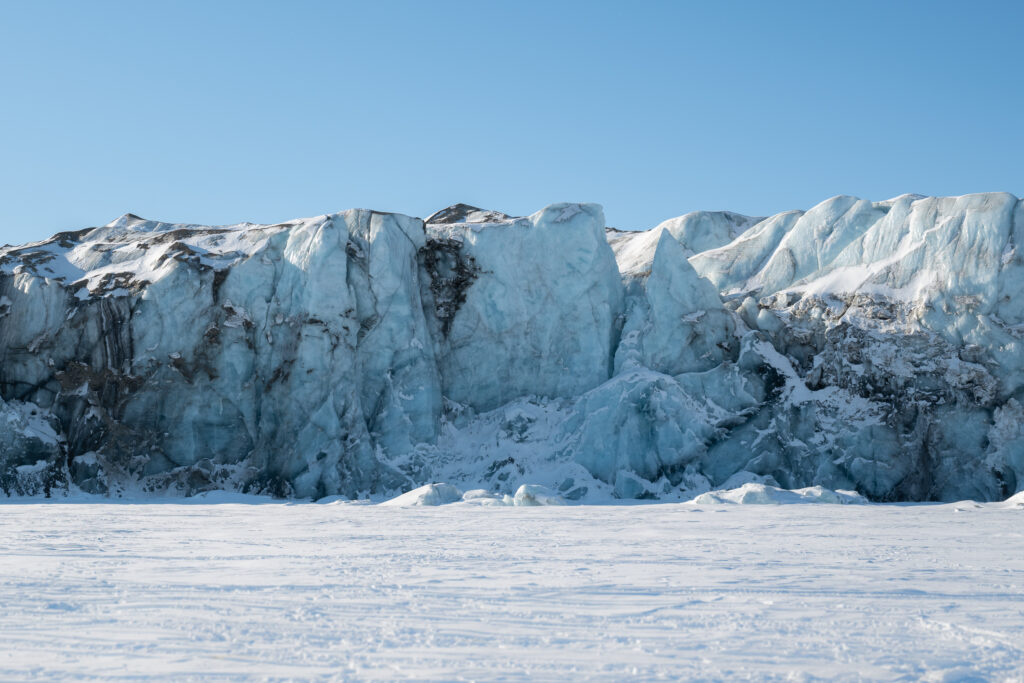
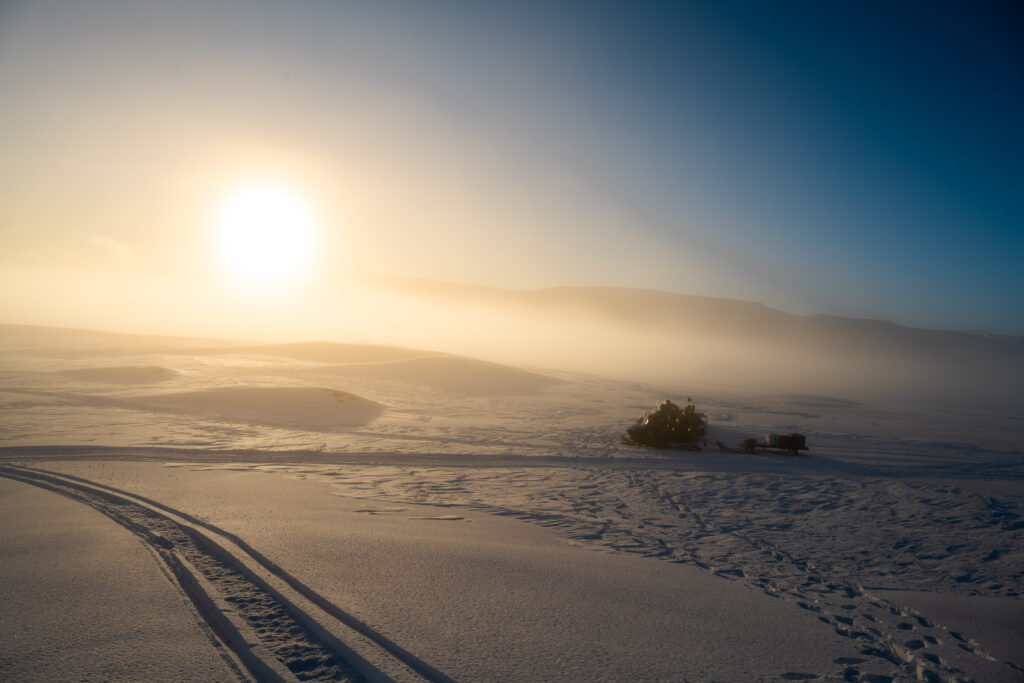
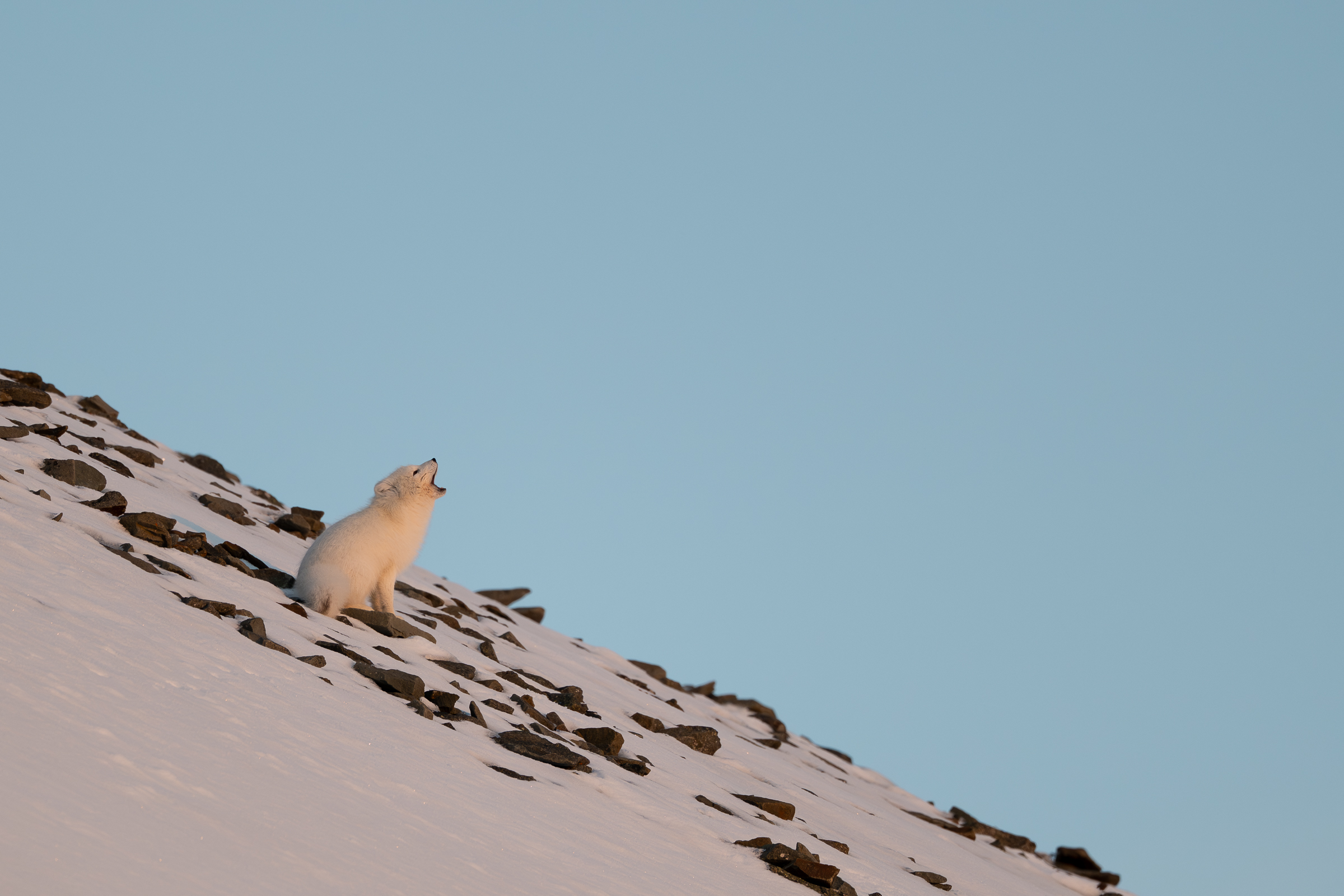
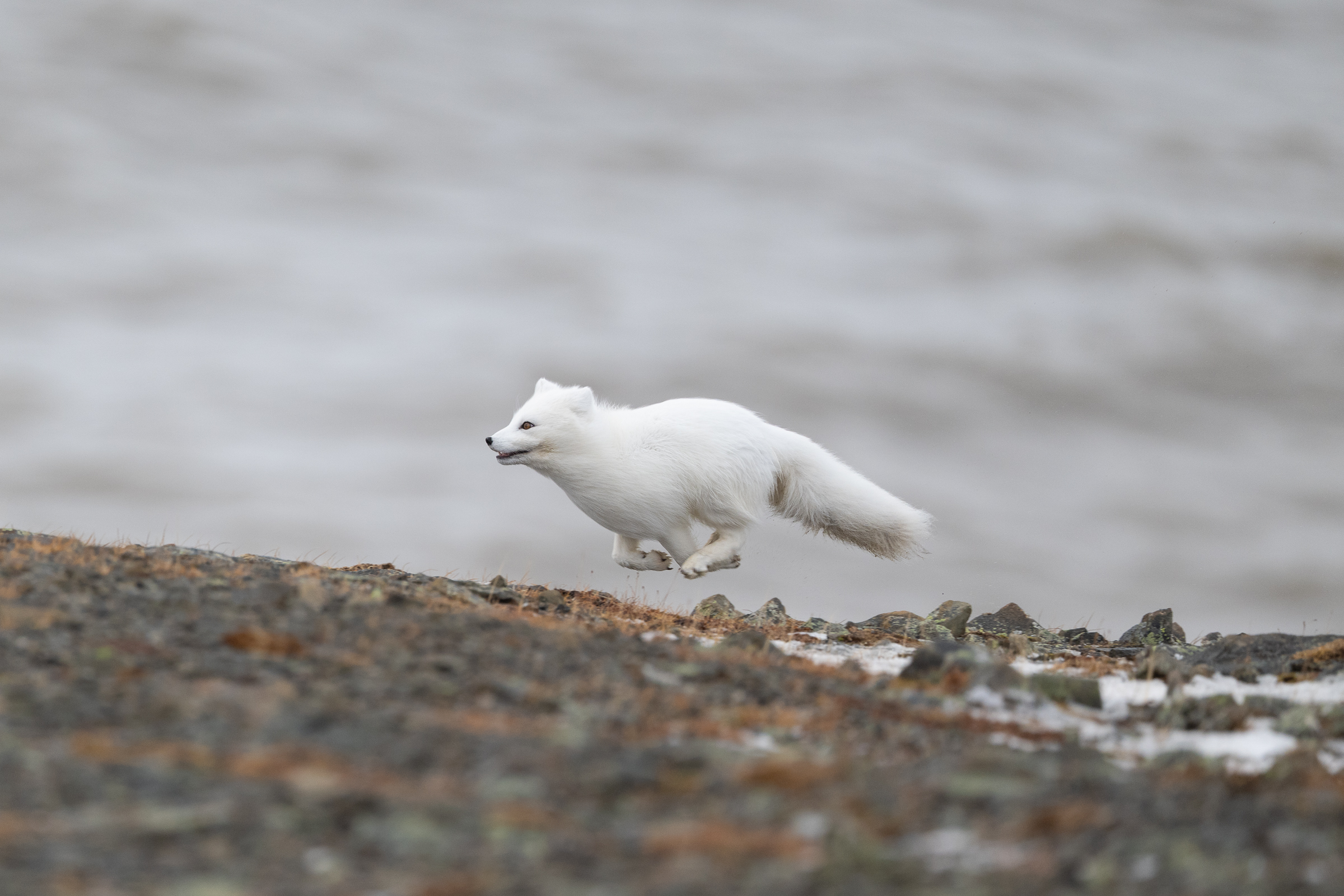
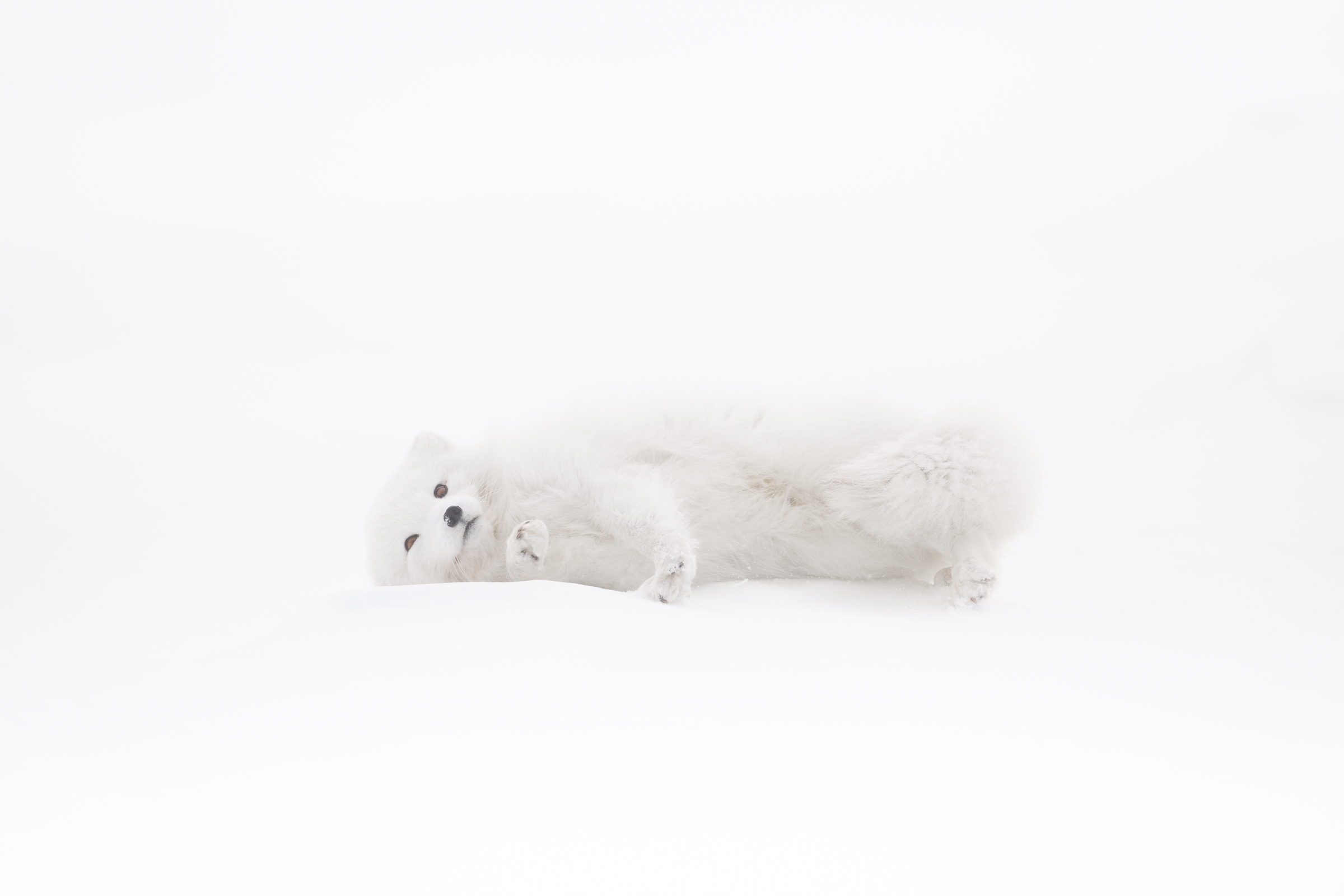
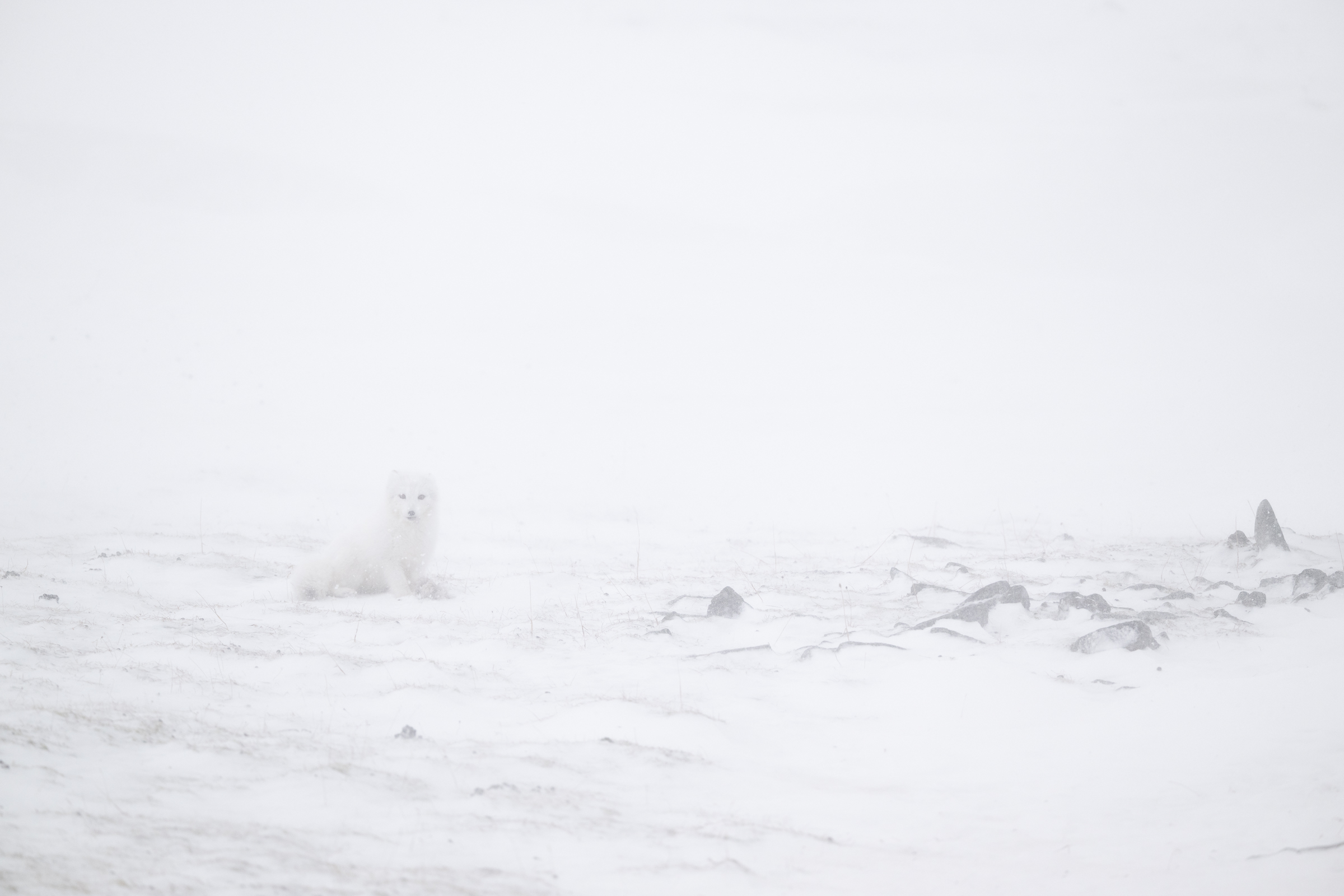
A small group photography workshop in Svalbard during late winter, when returning light reveals the Arctic landscape in soft tones. We spend our days in the field focusing on Arctic foxes, Svalbard reindeer, and intimate wildlife encounters shaped by real conditions, with the possibility of a polar bear encounter, though never guaranteed.
What you can expect to photograph
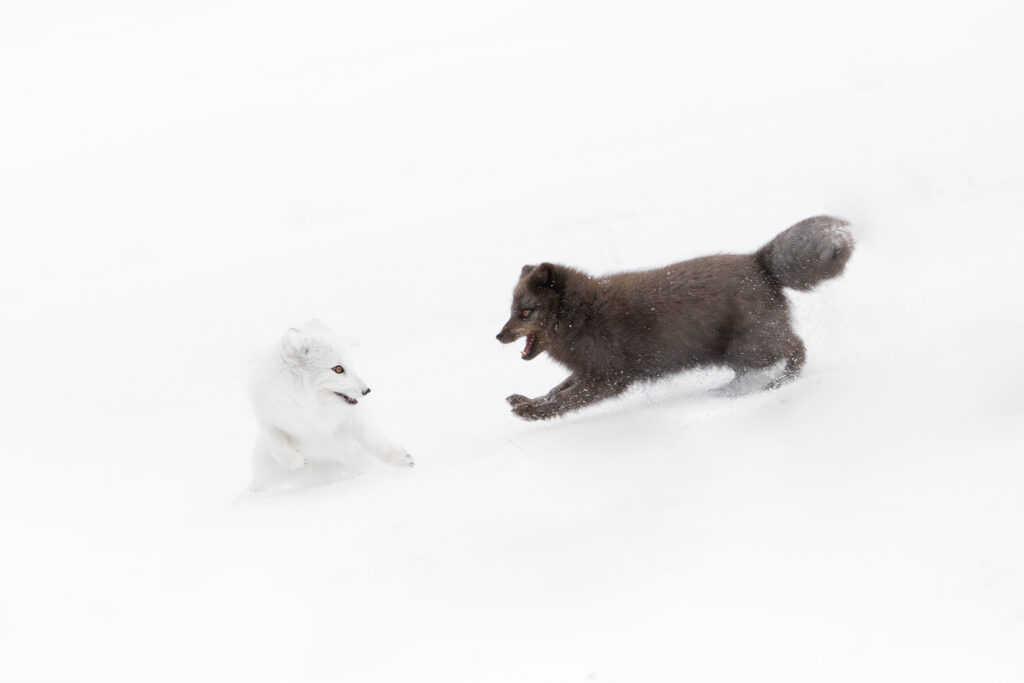
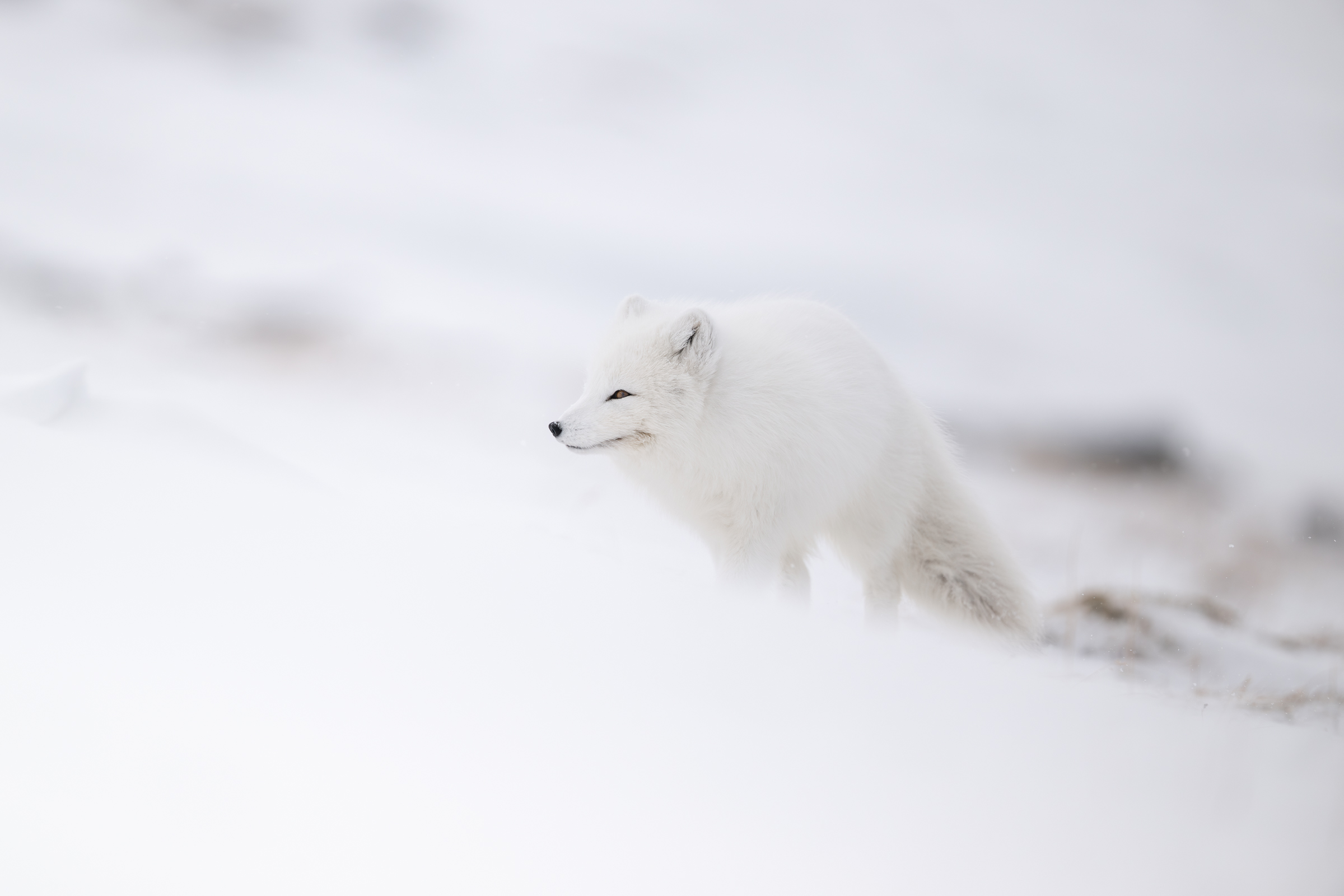
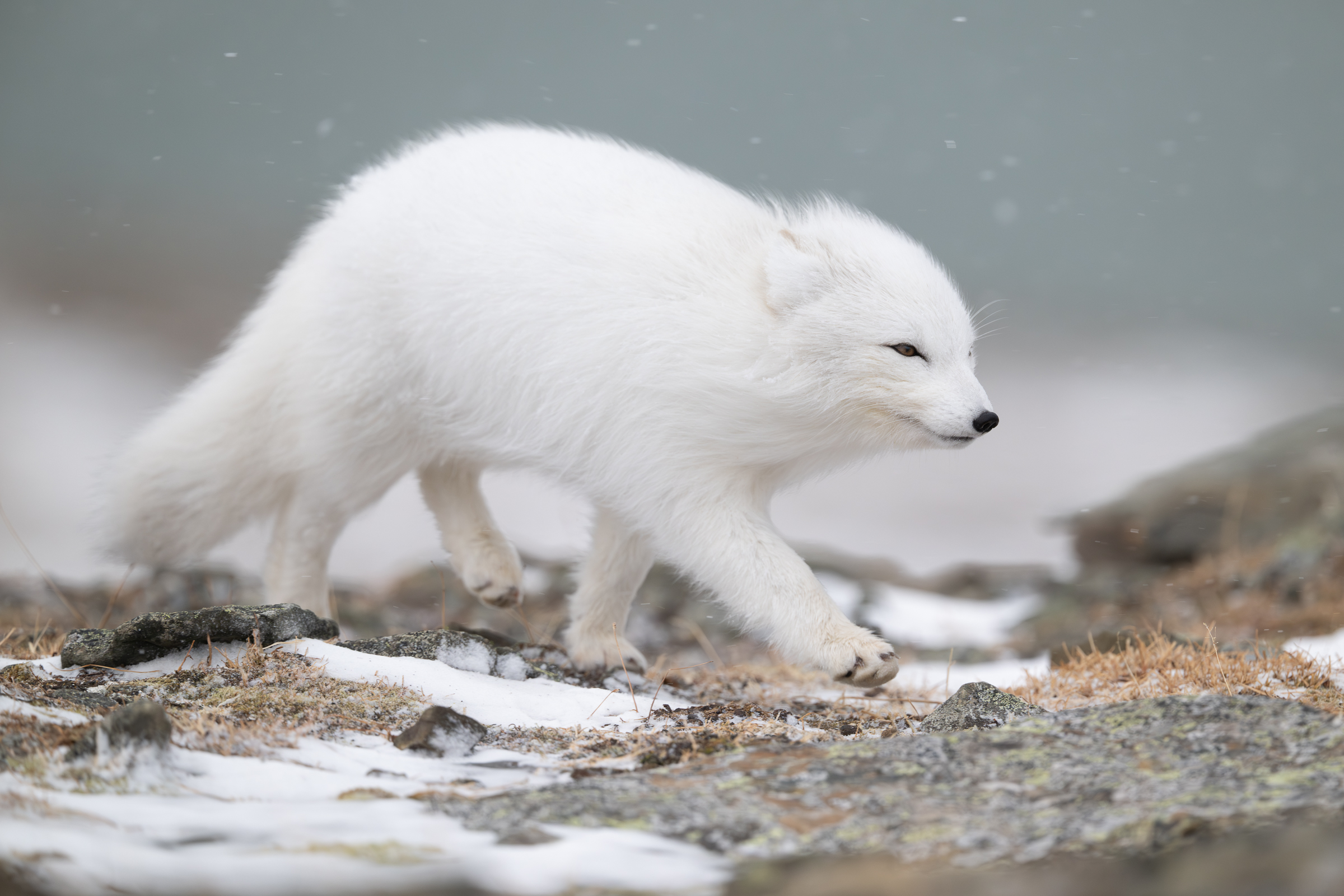
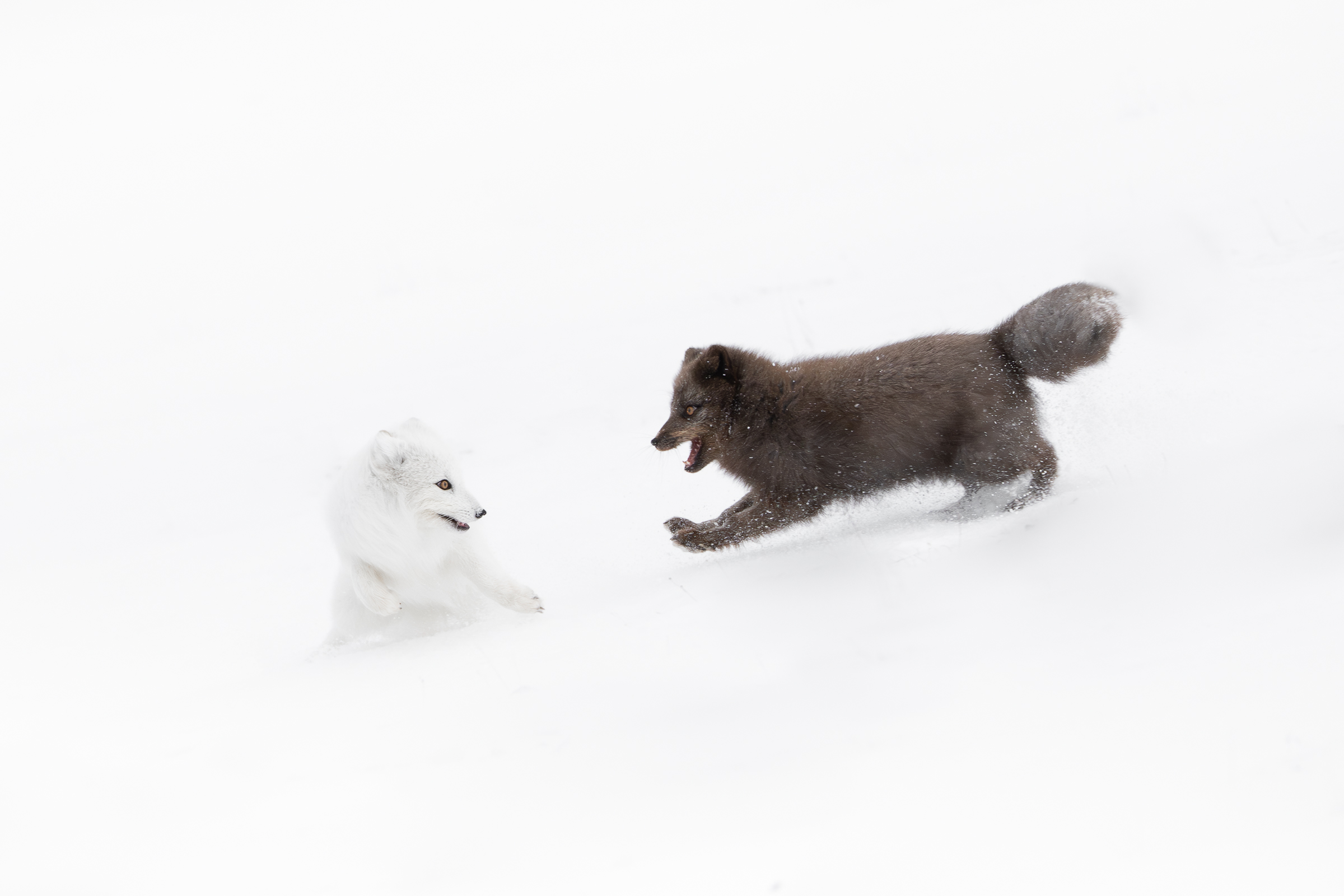
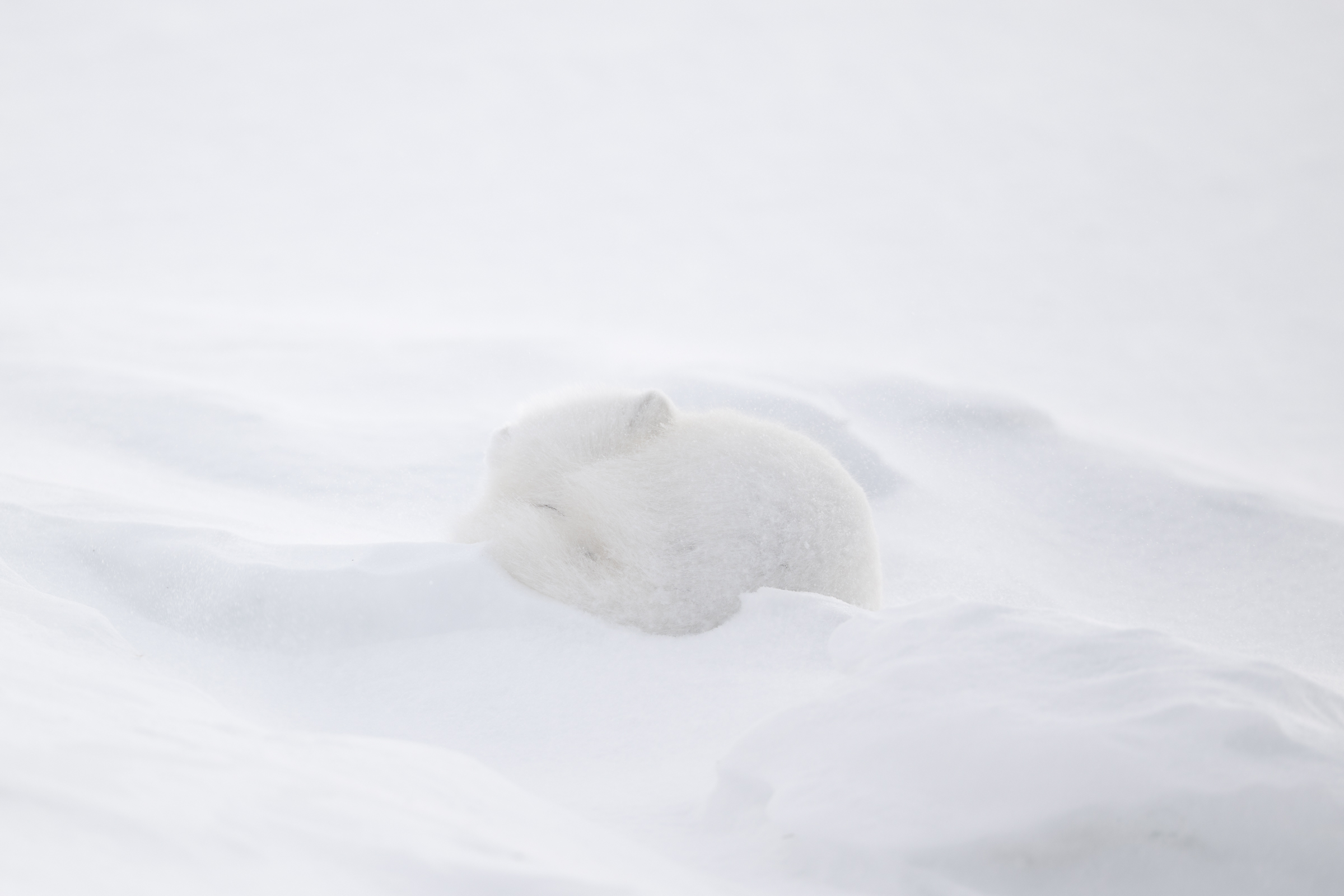
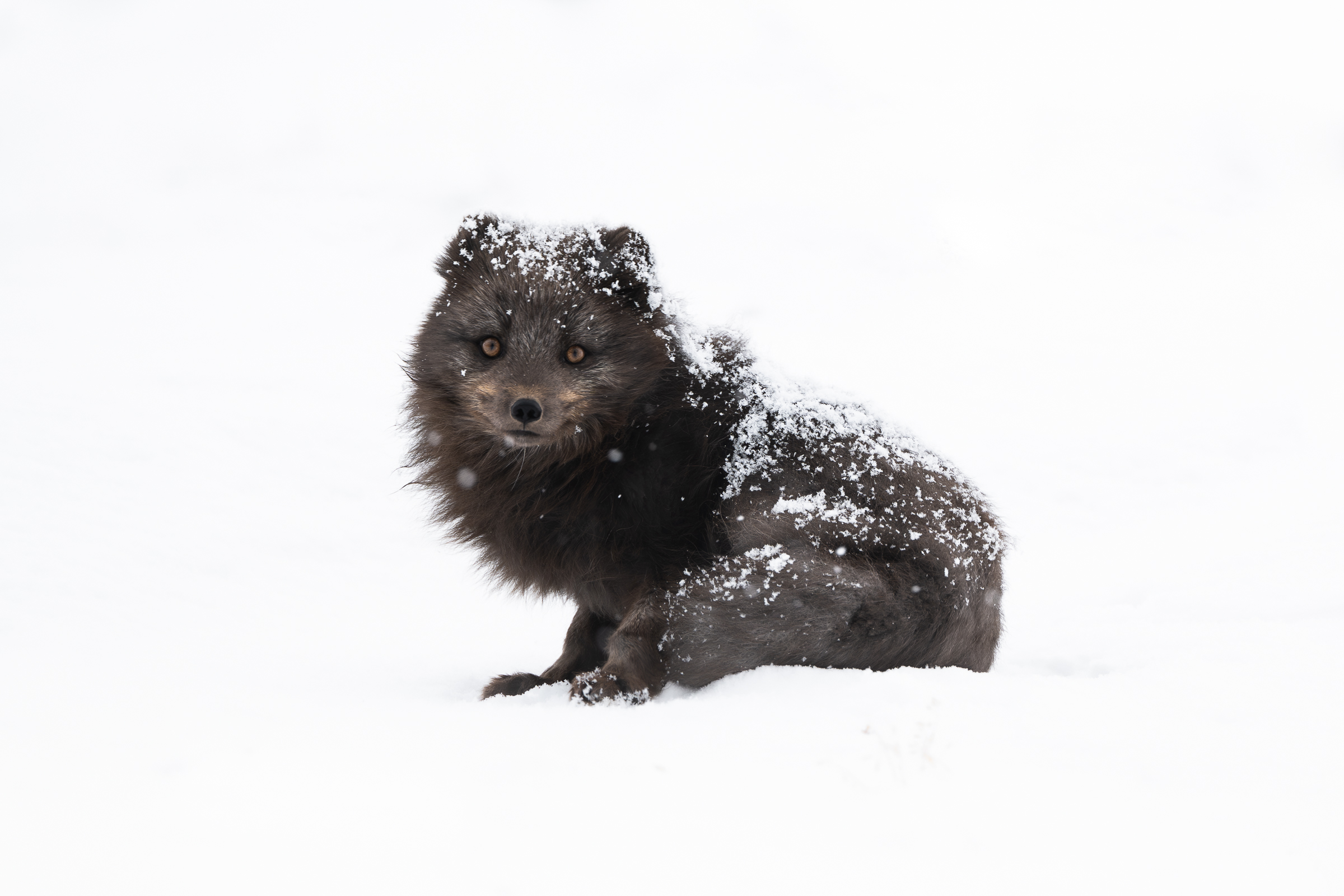
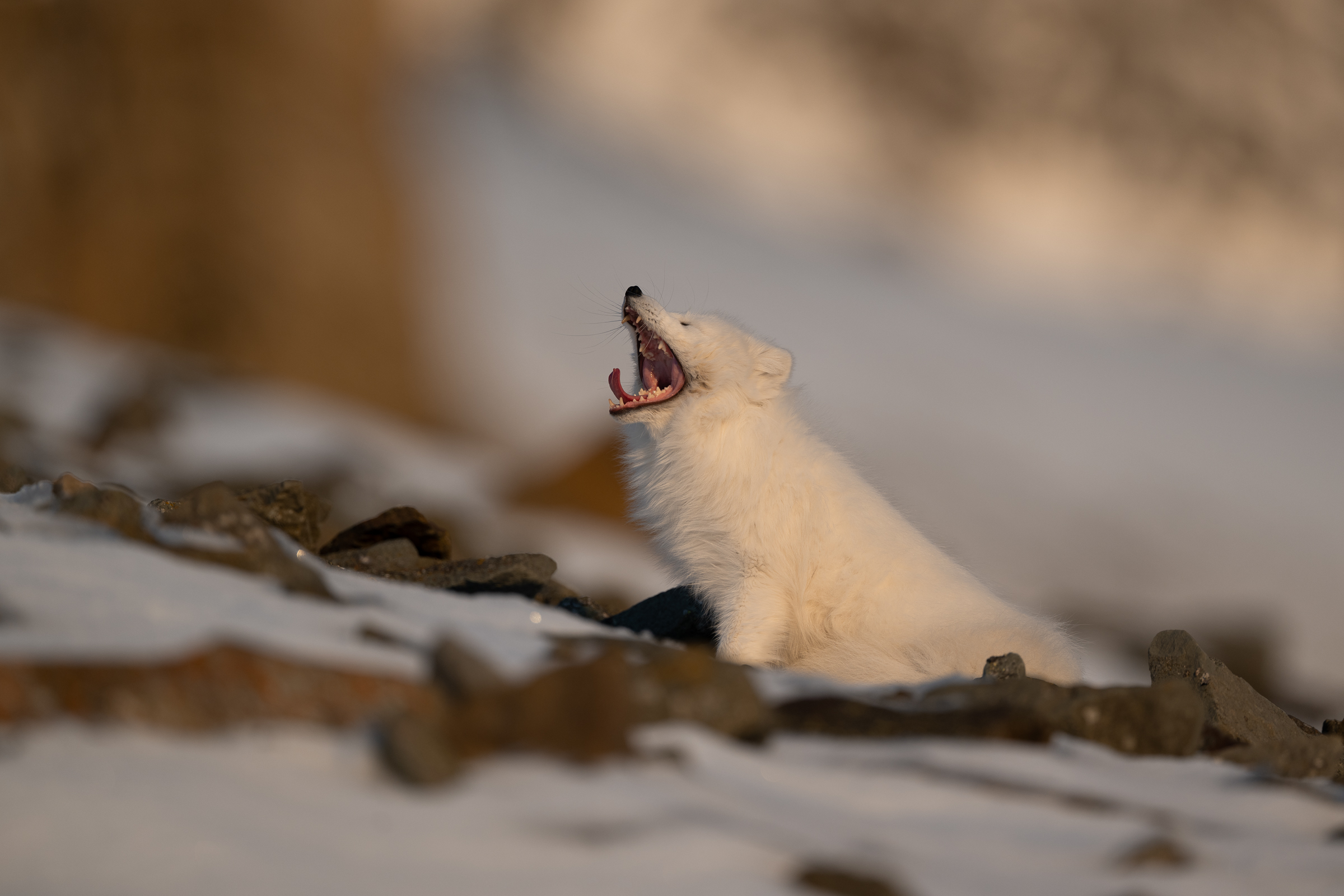
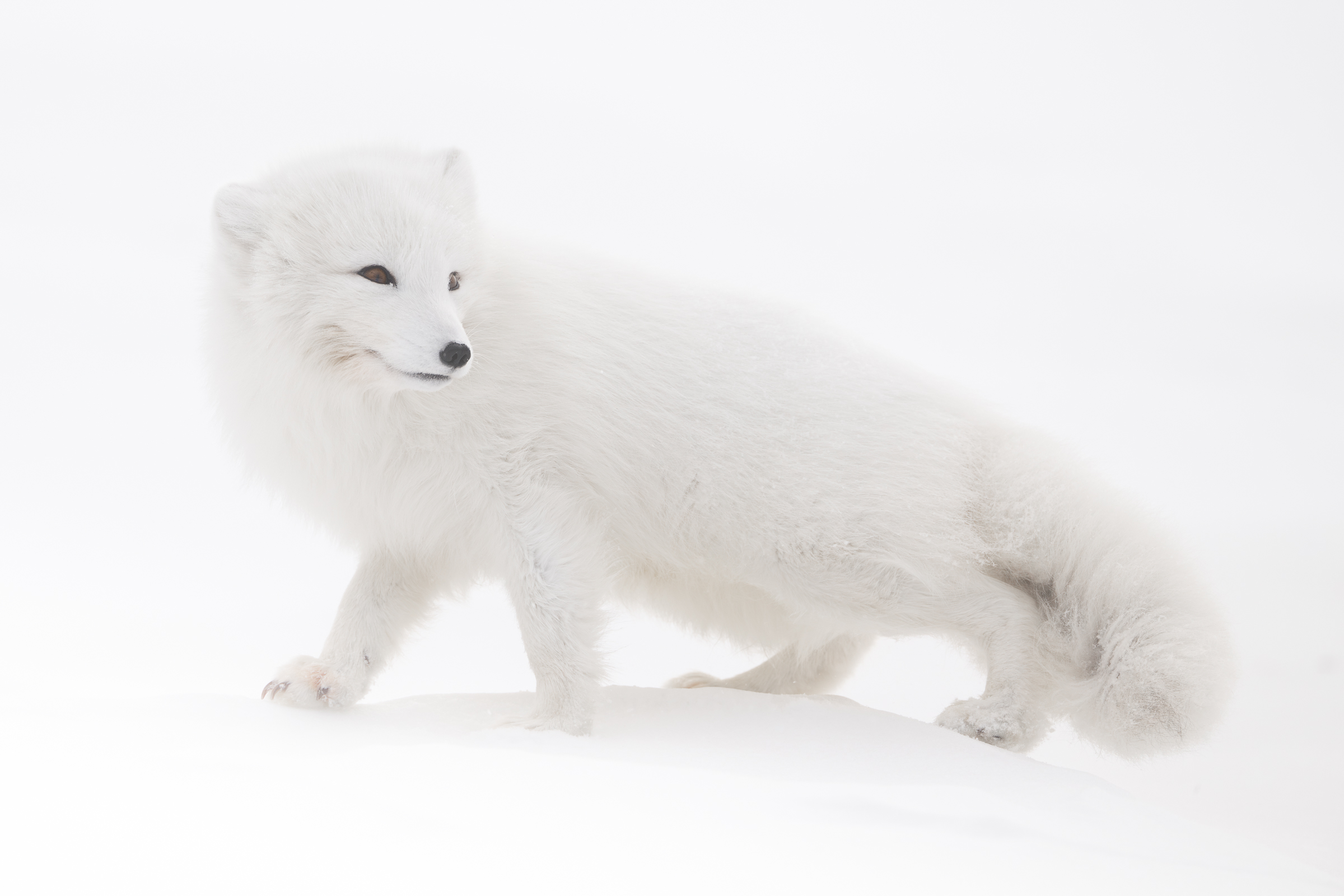
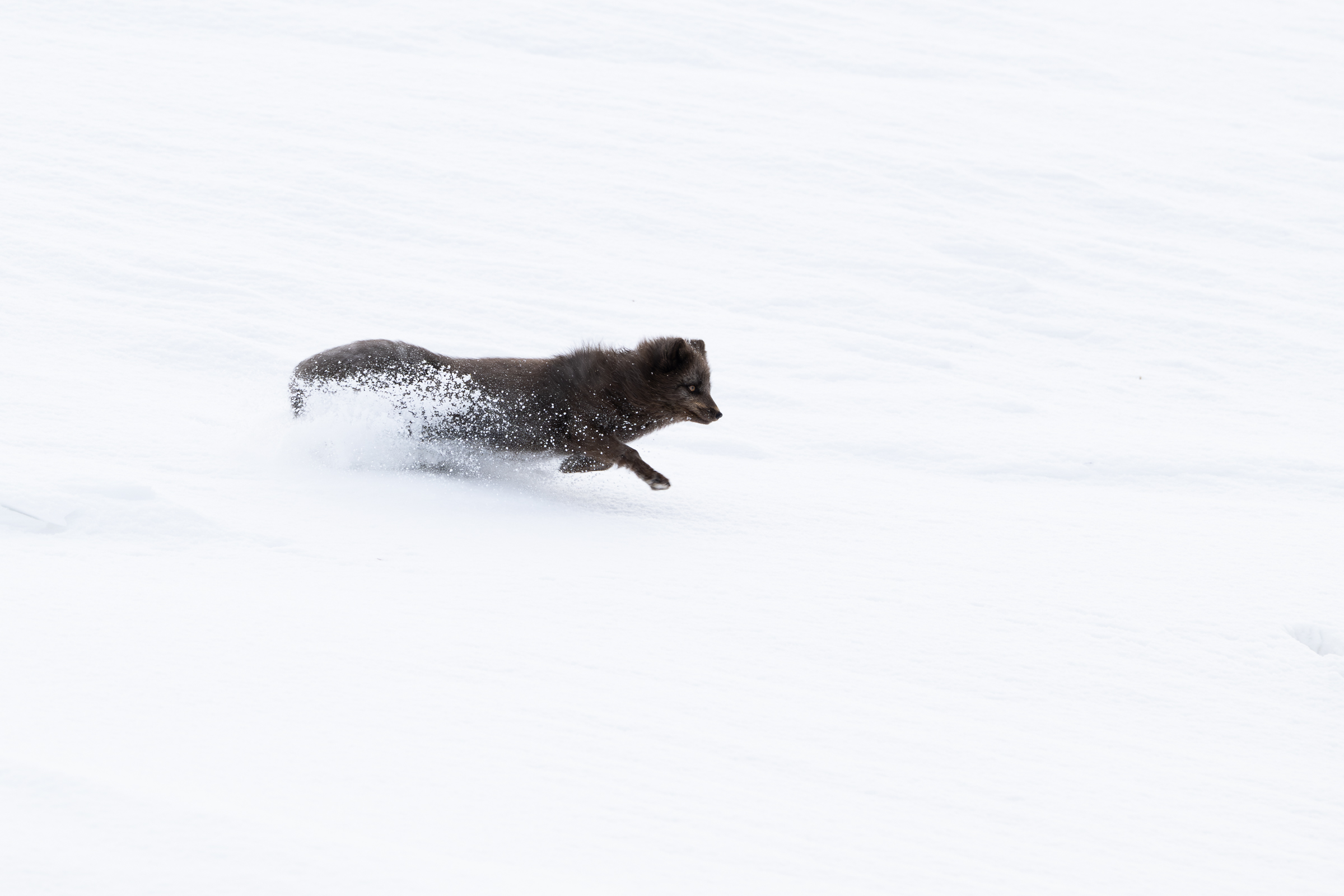
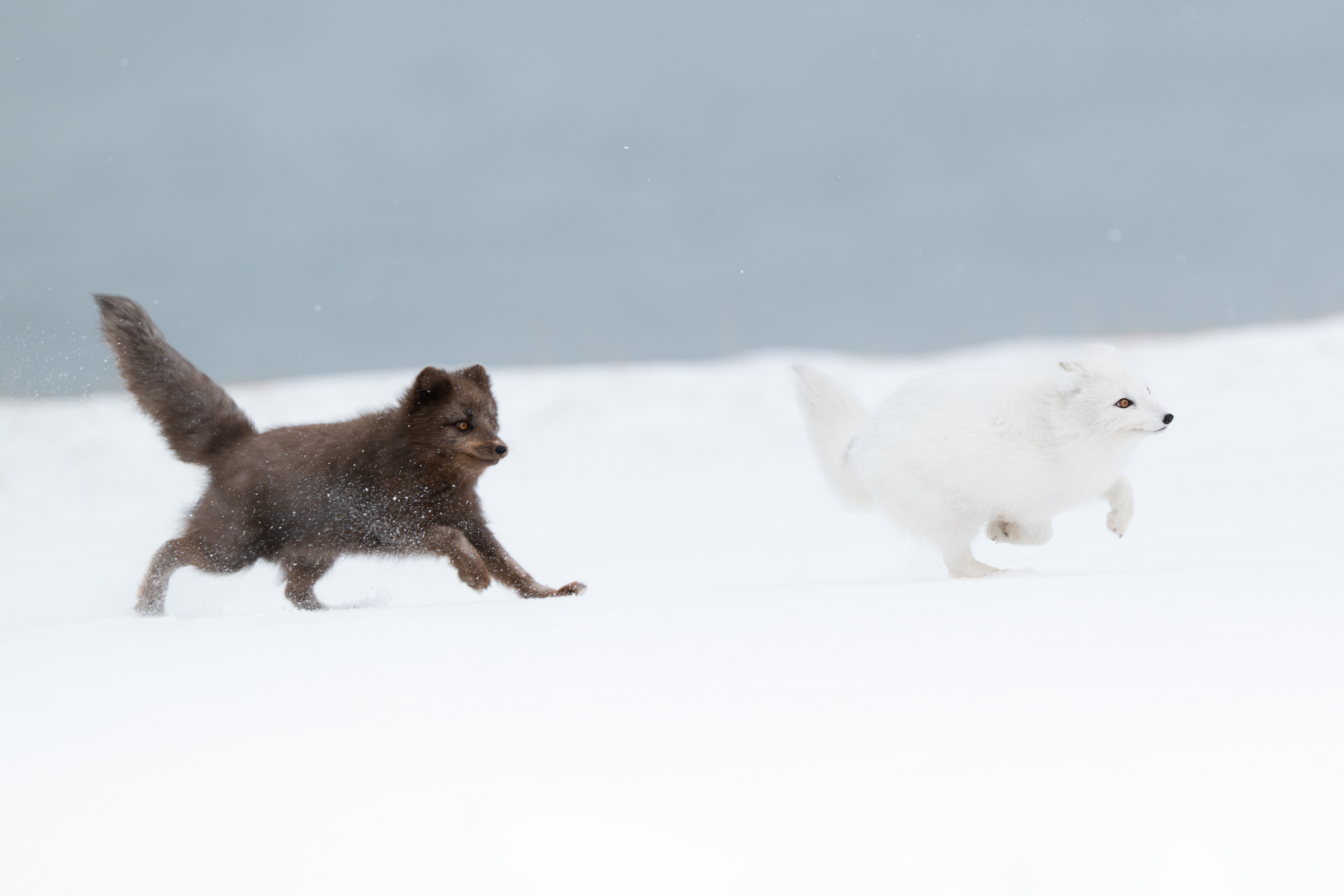
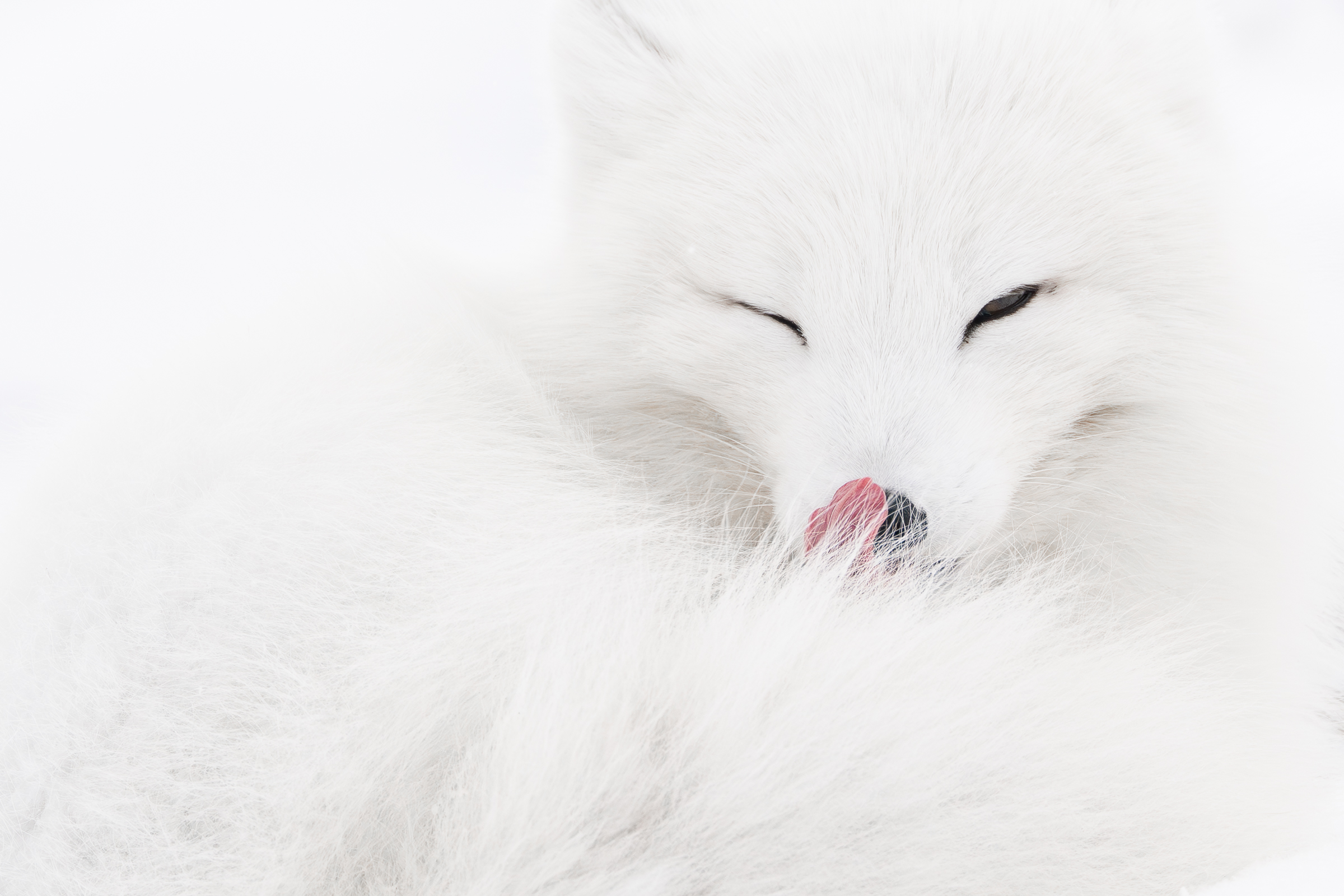
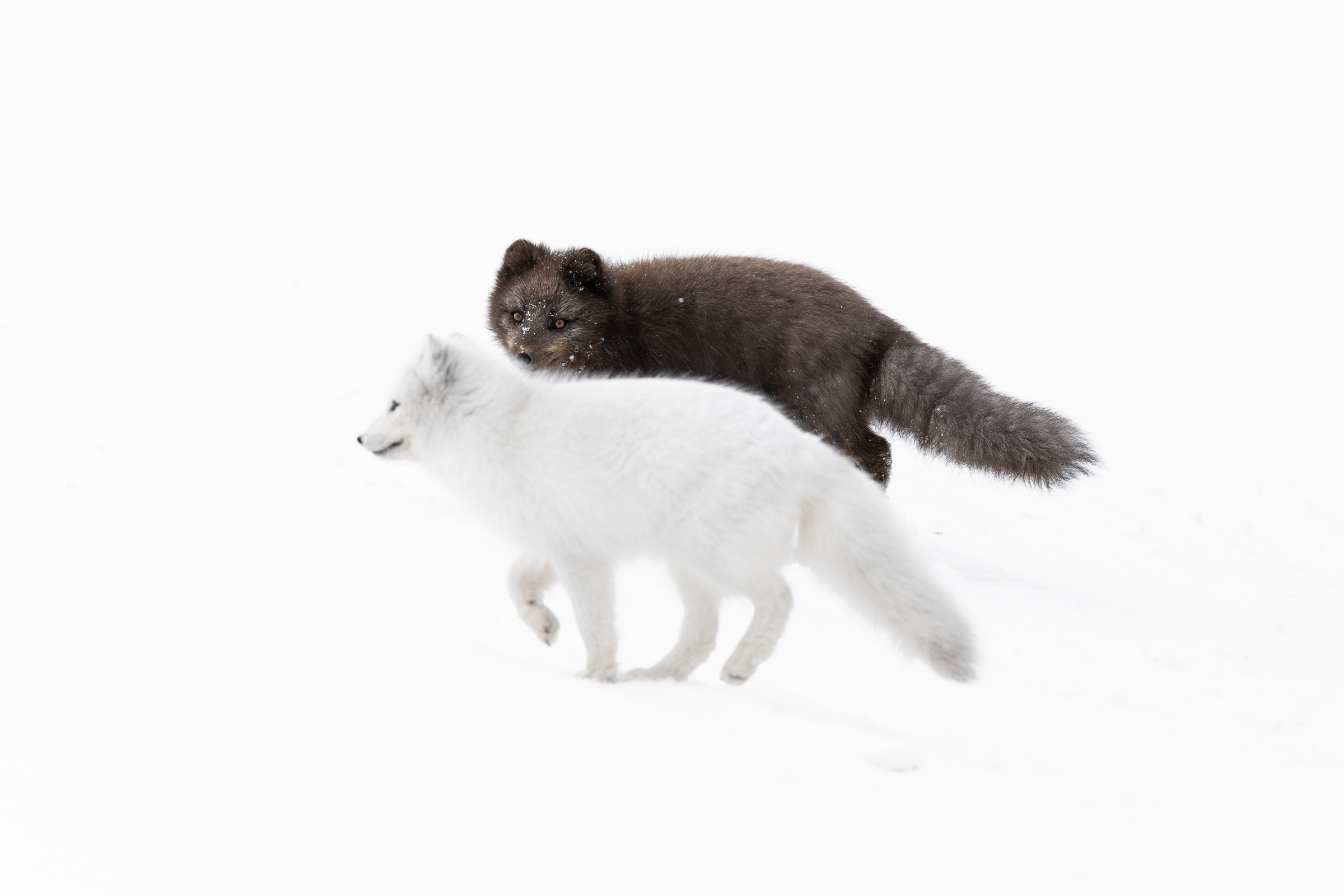
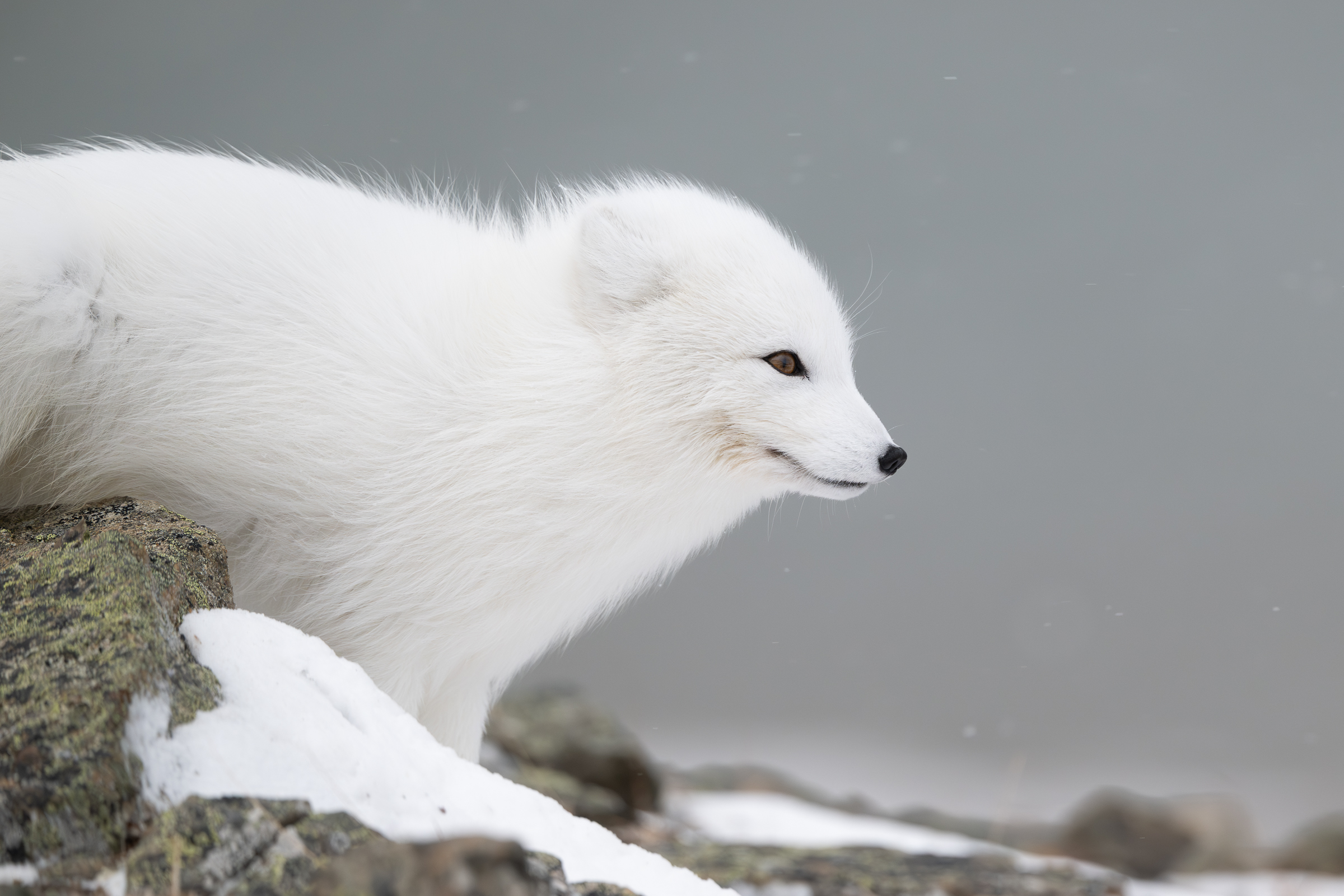
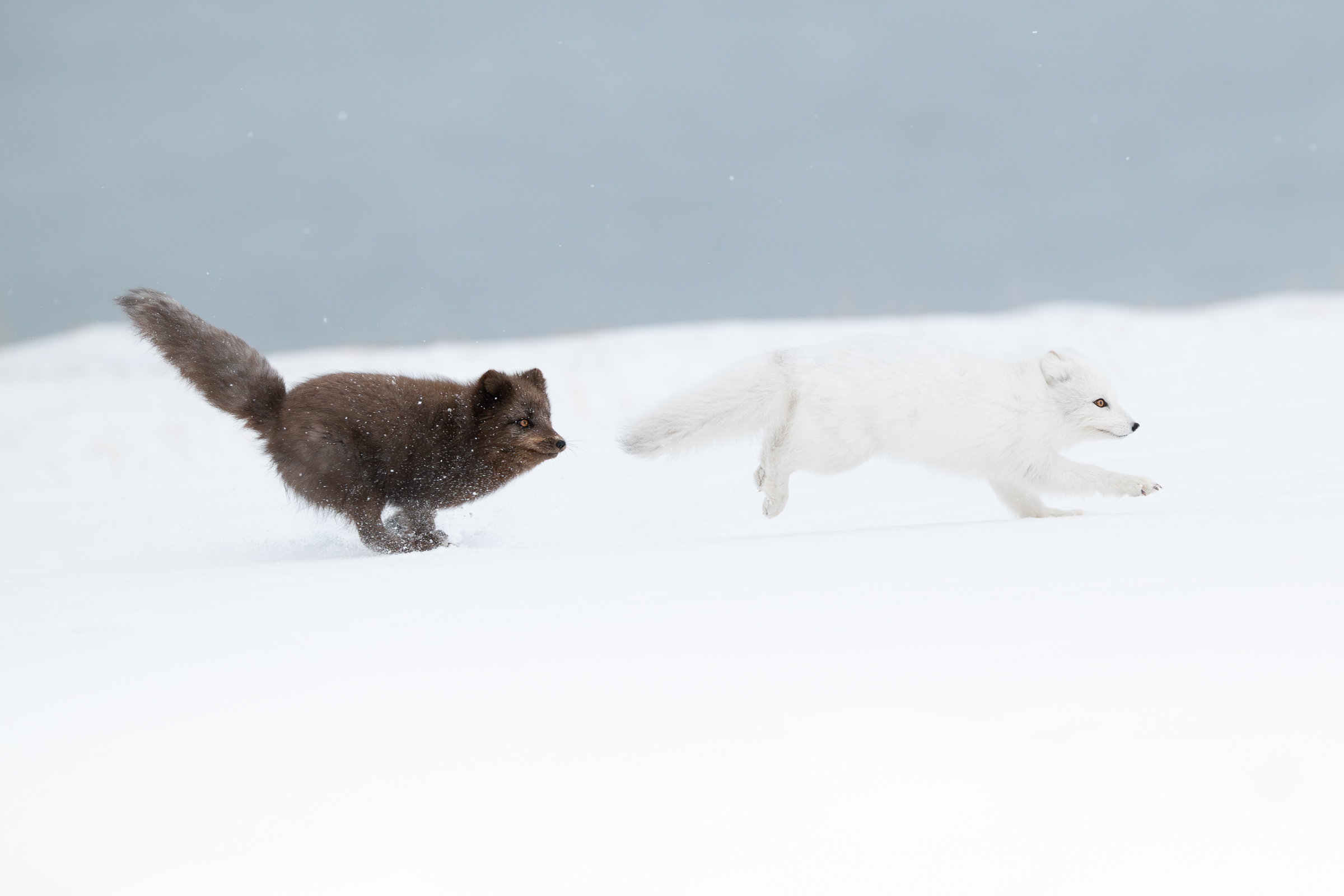
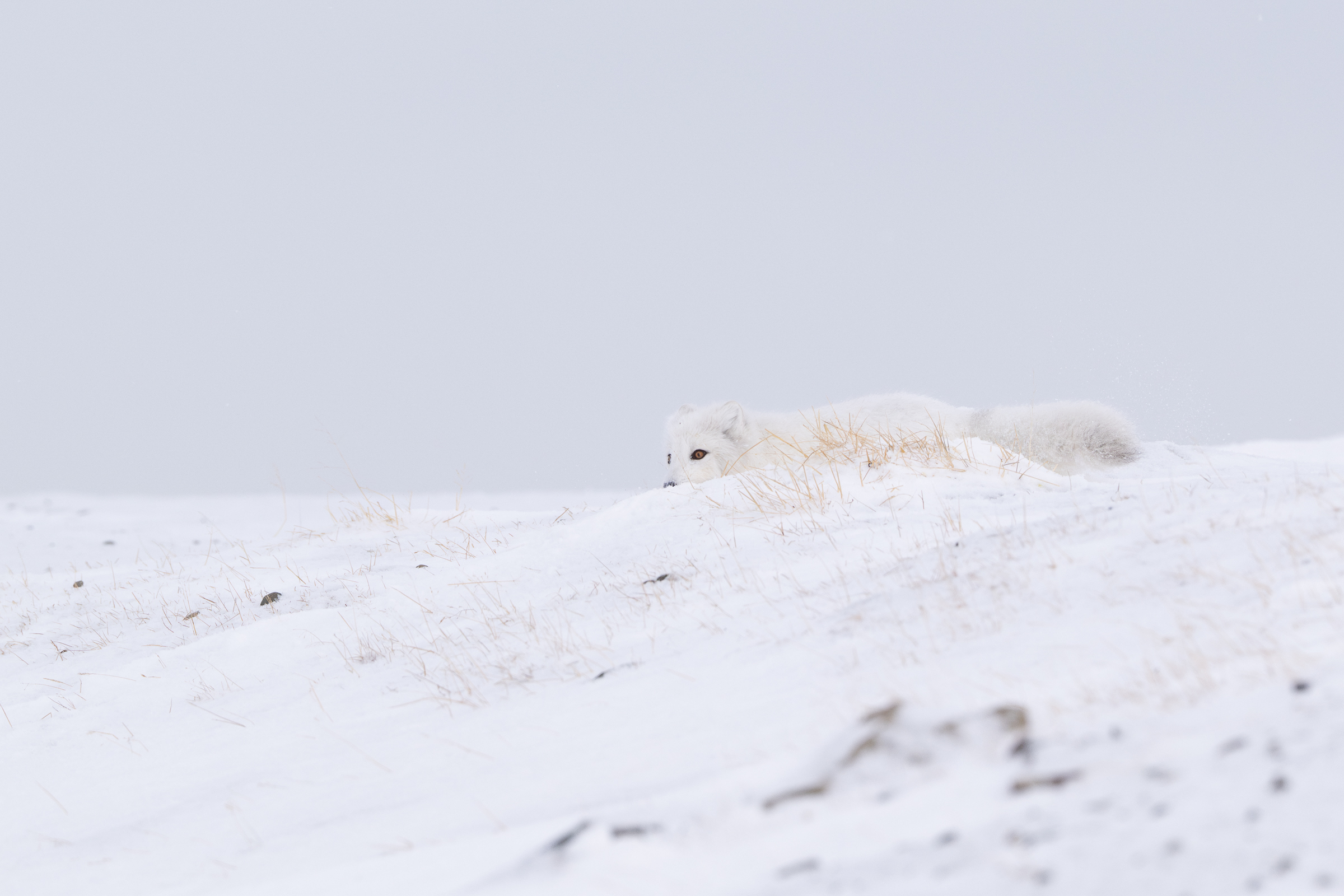
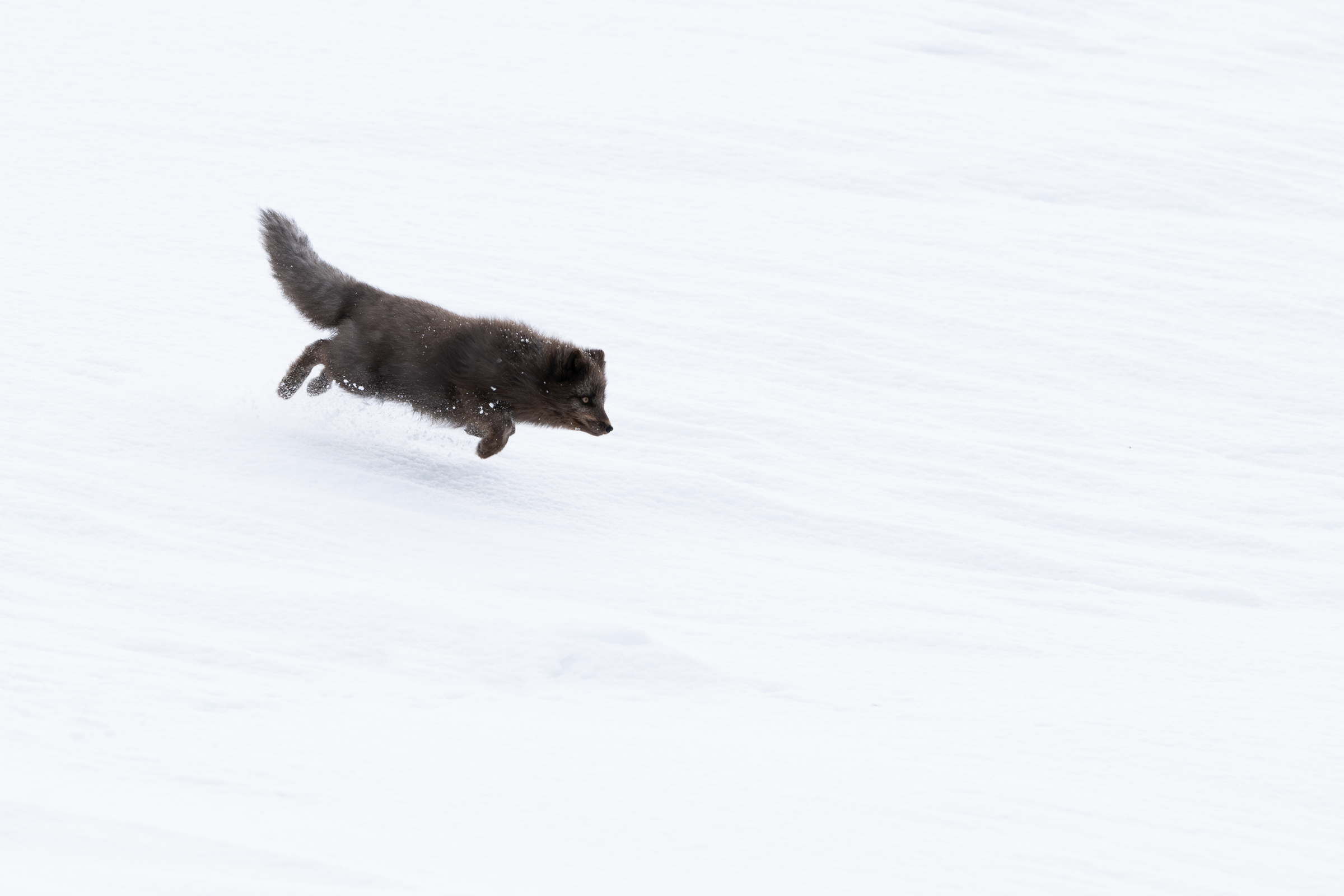
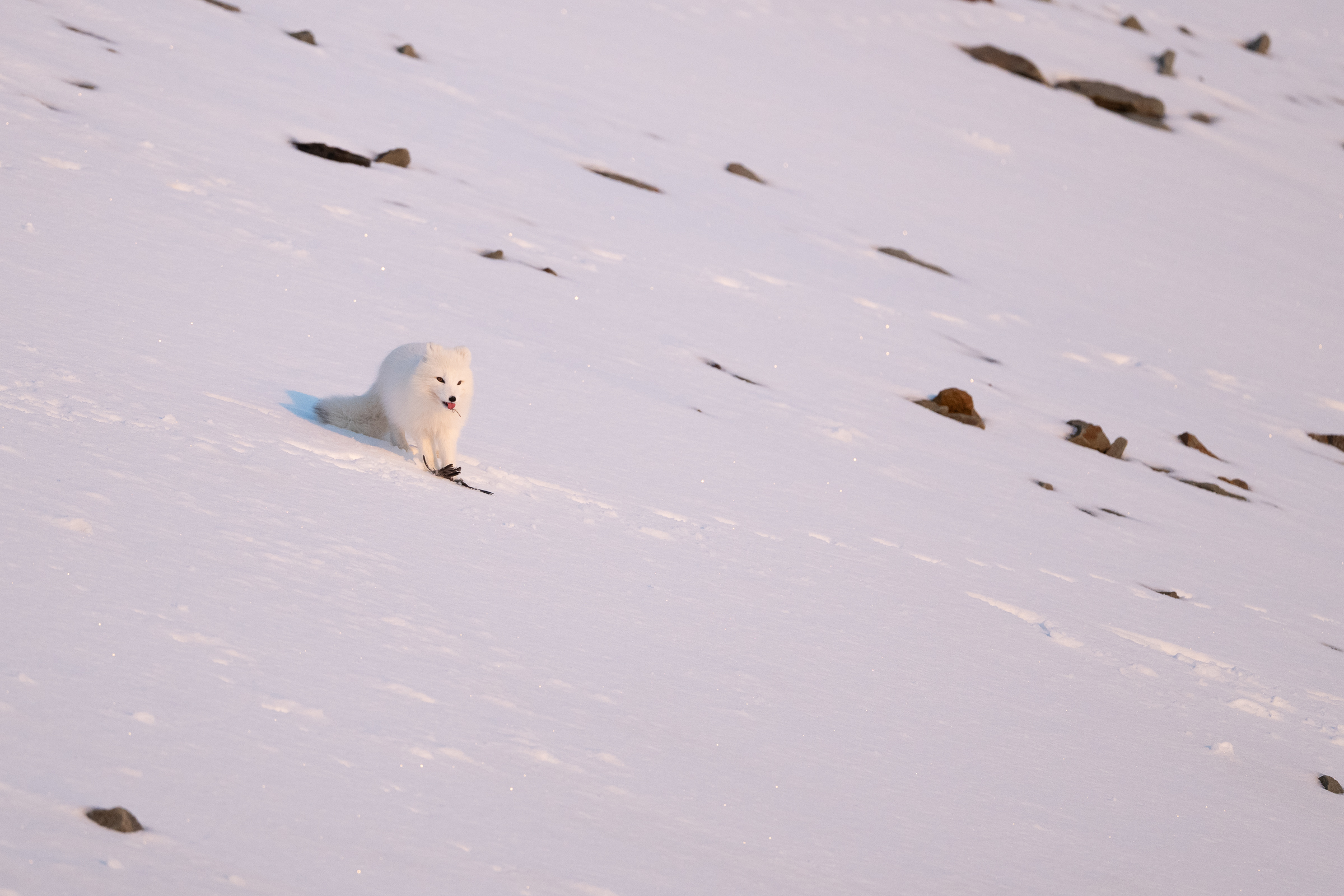
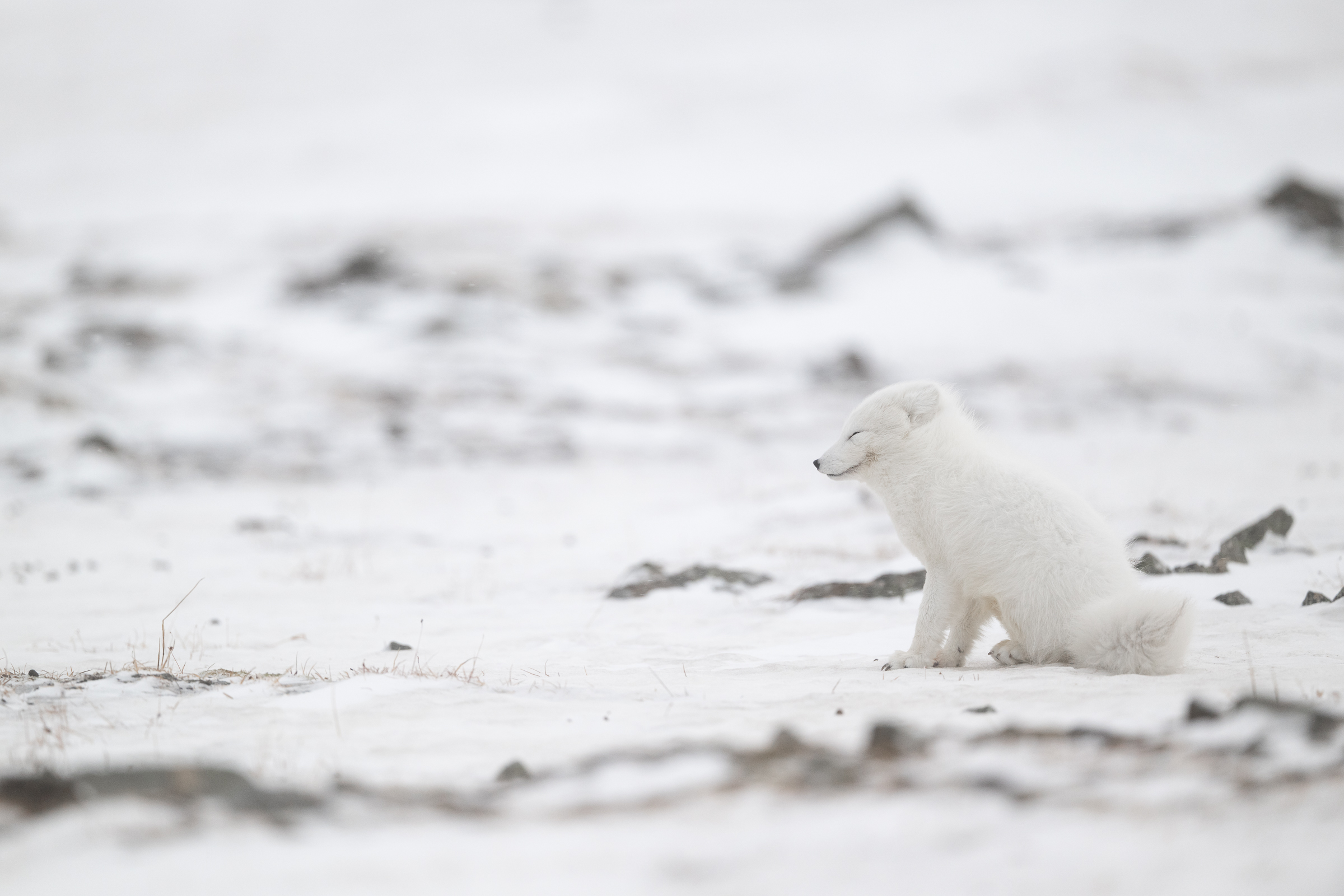
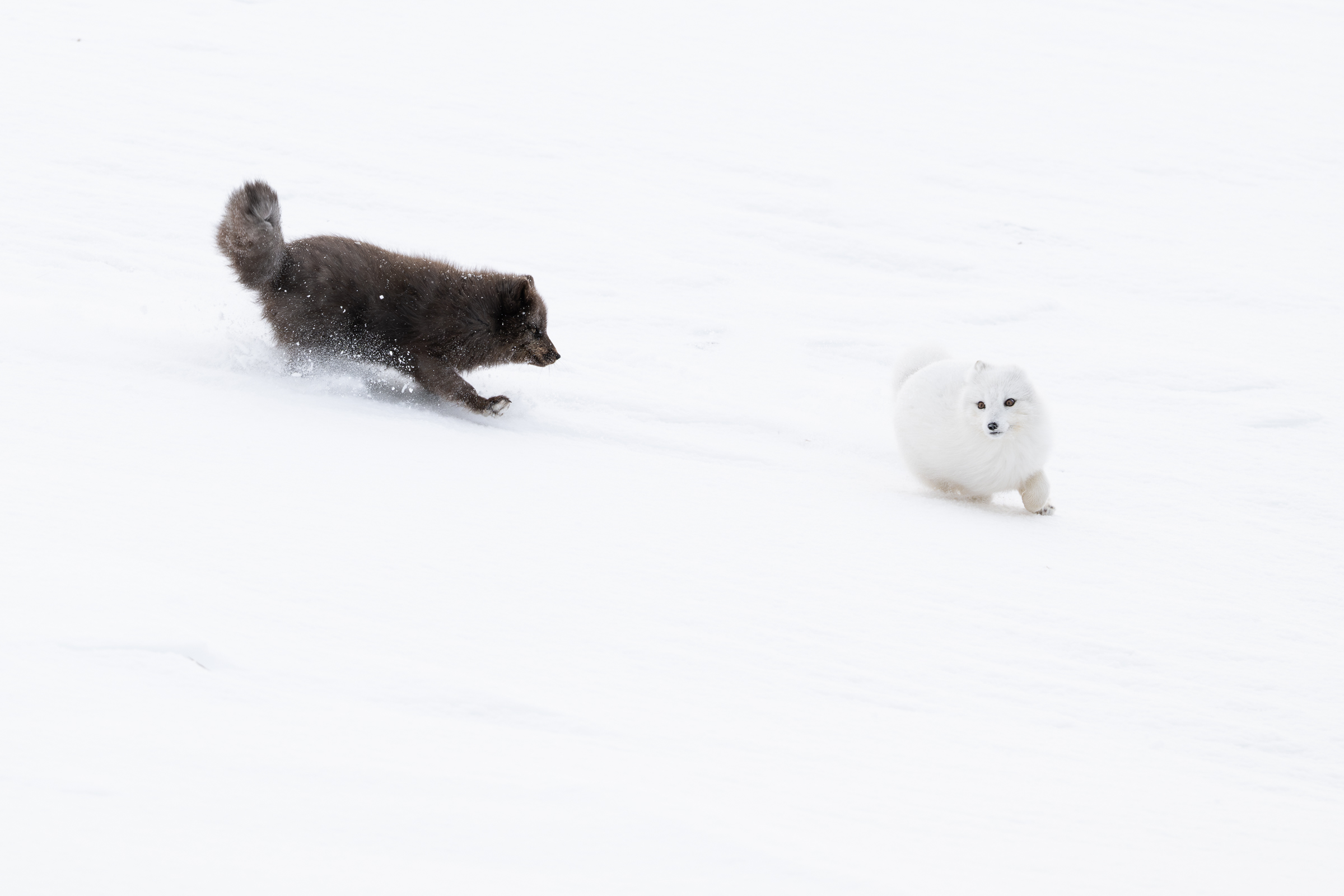
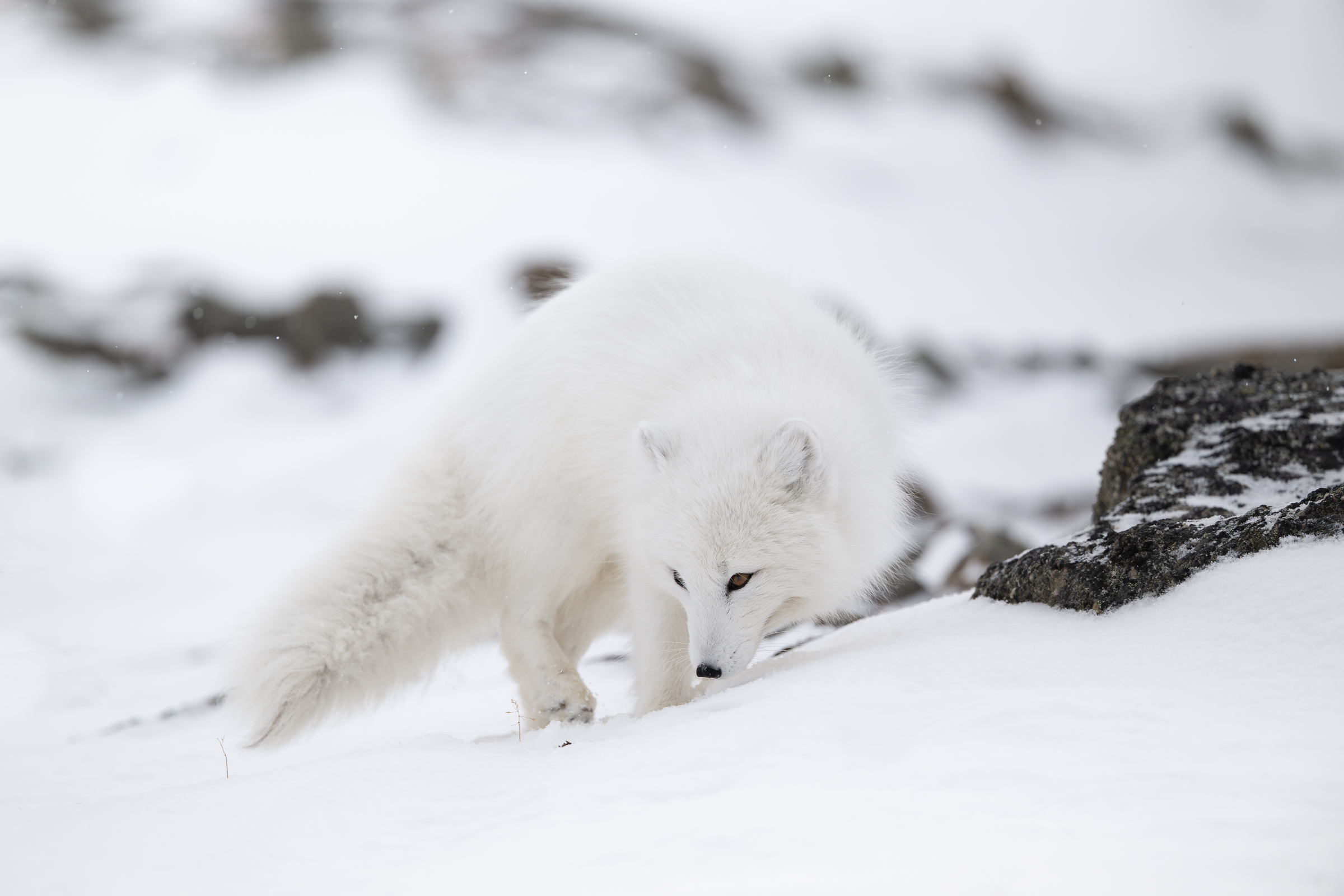
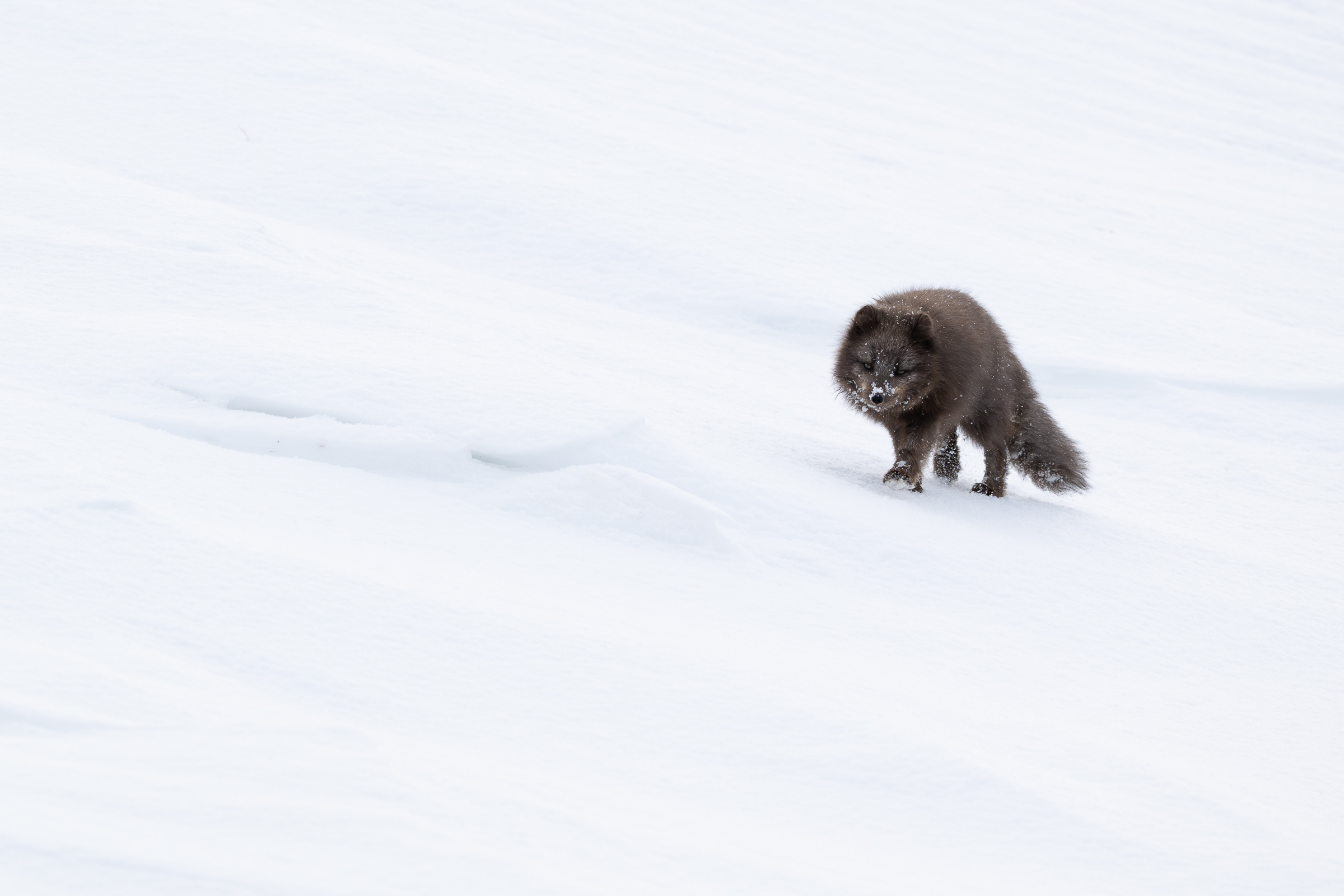
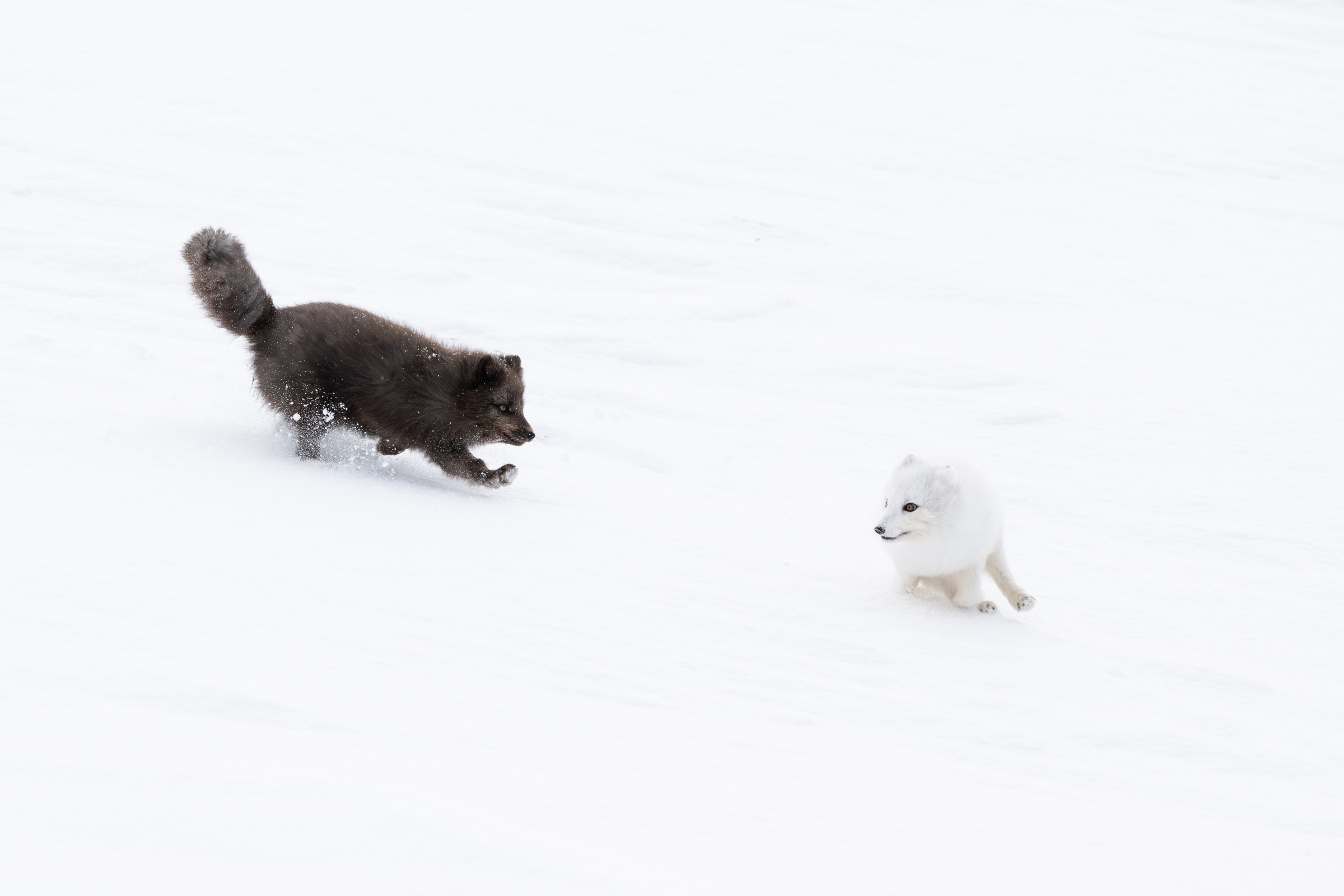
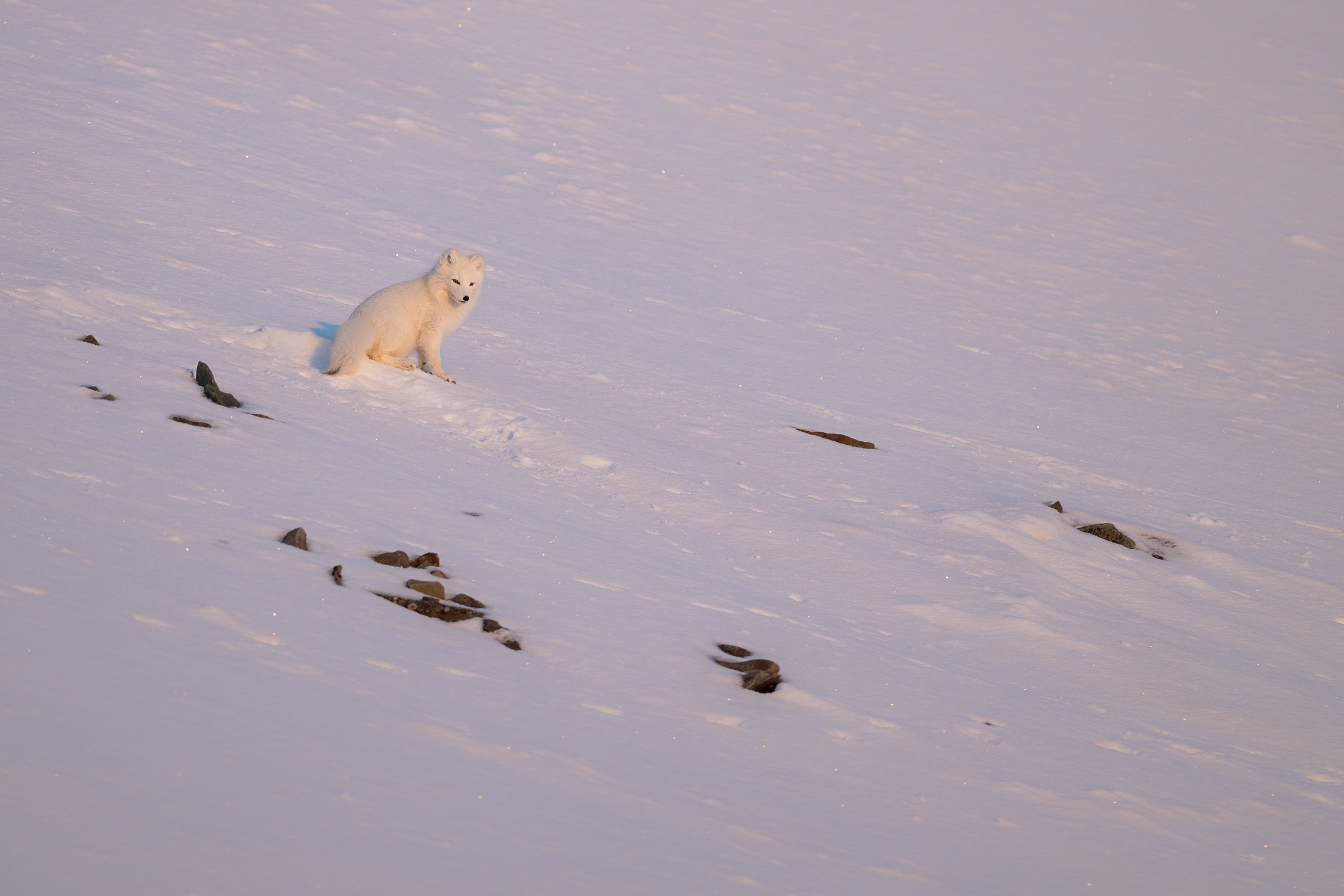
Arctic foxes in Svalbard occur in both white and blue morphs, with the blue morph being considerably rarer. Exceptionally resilient and perfectly adapted to harsh Arctic conditions, they remain active throughout the polar winter.
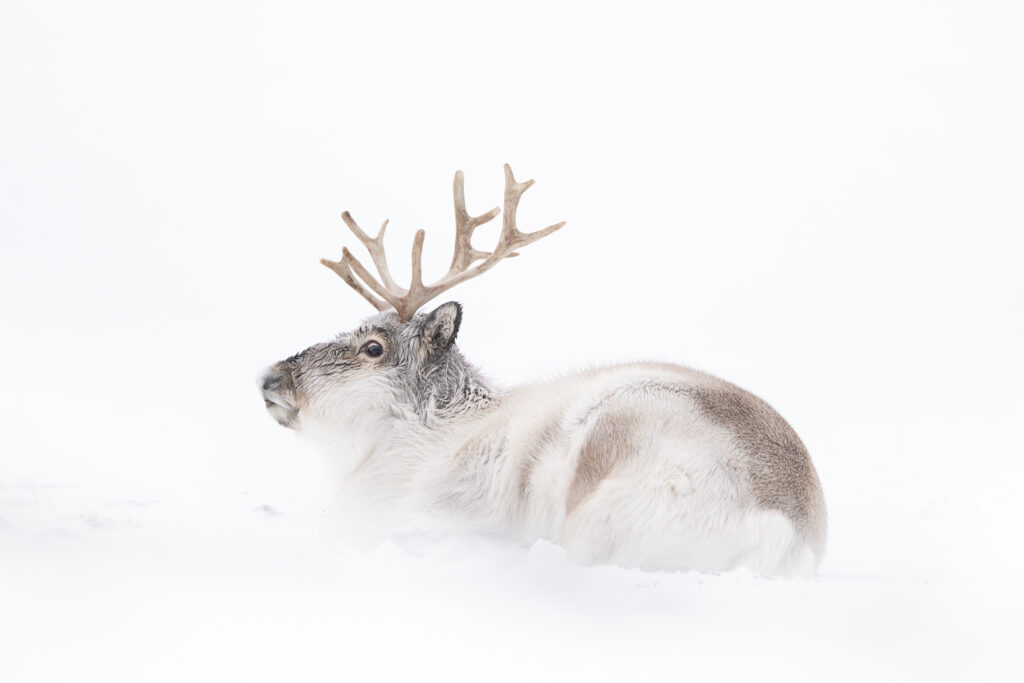
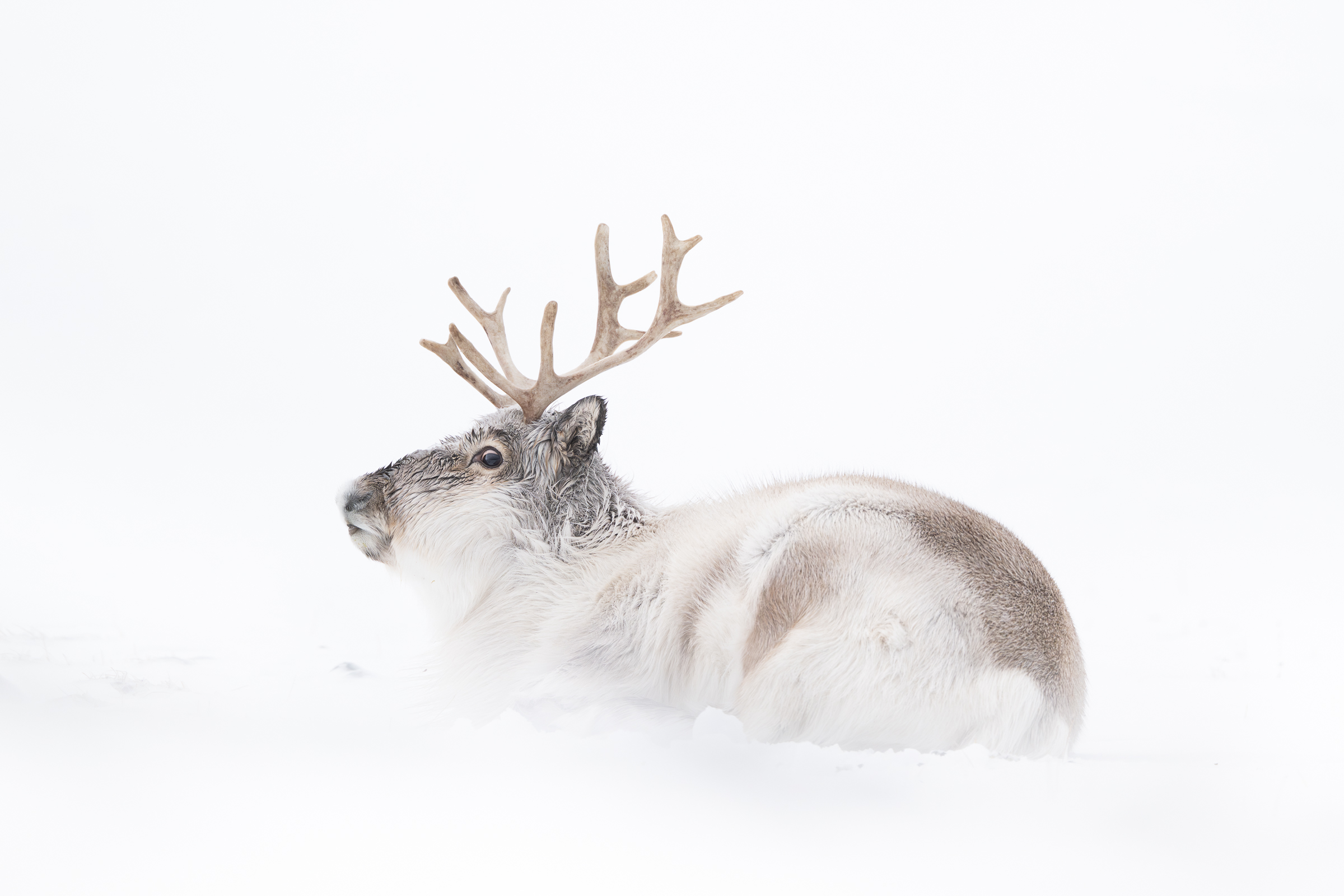
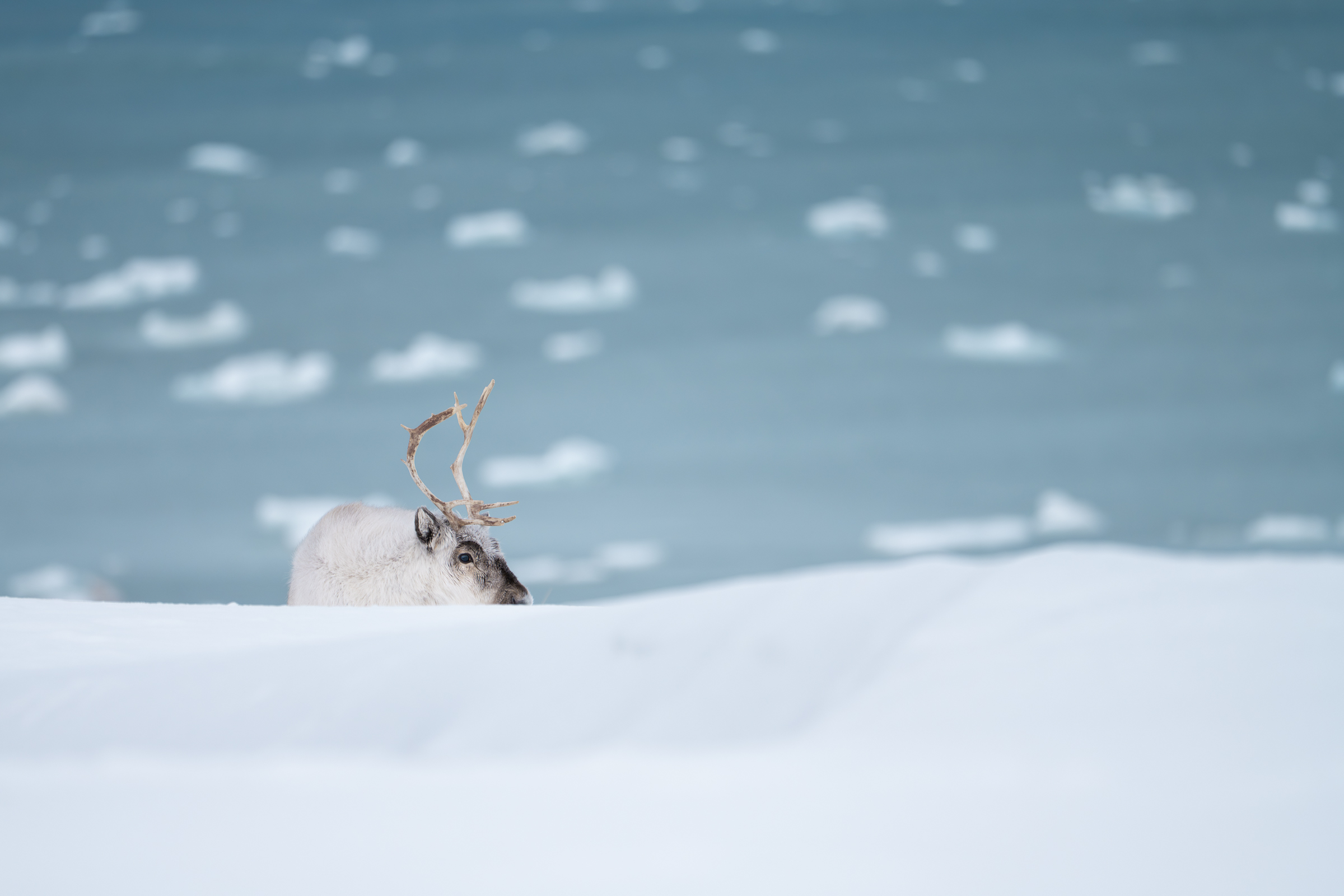
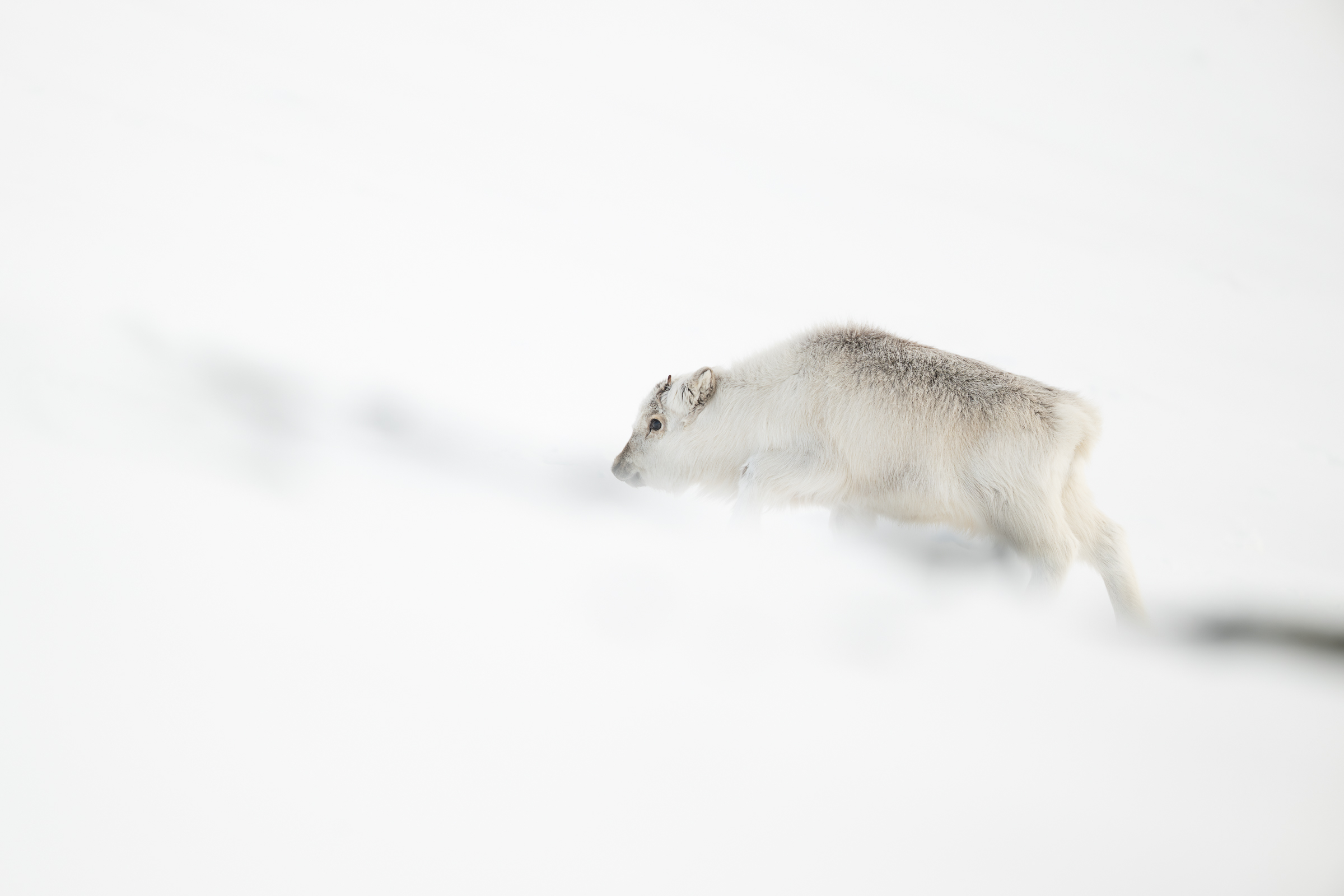
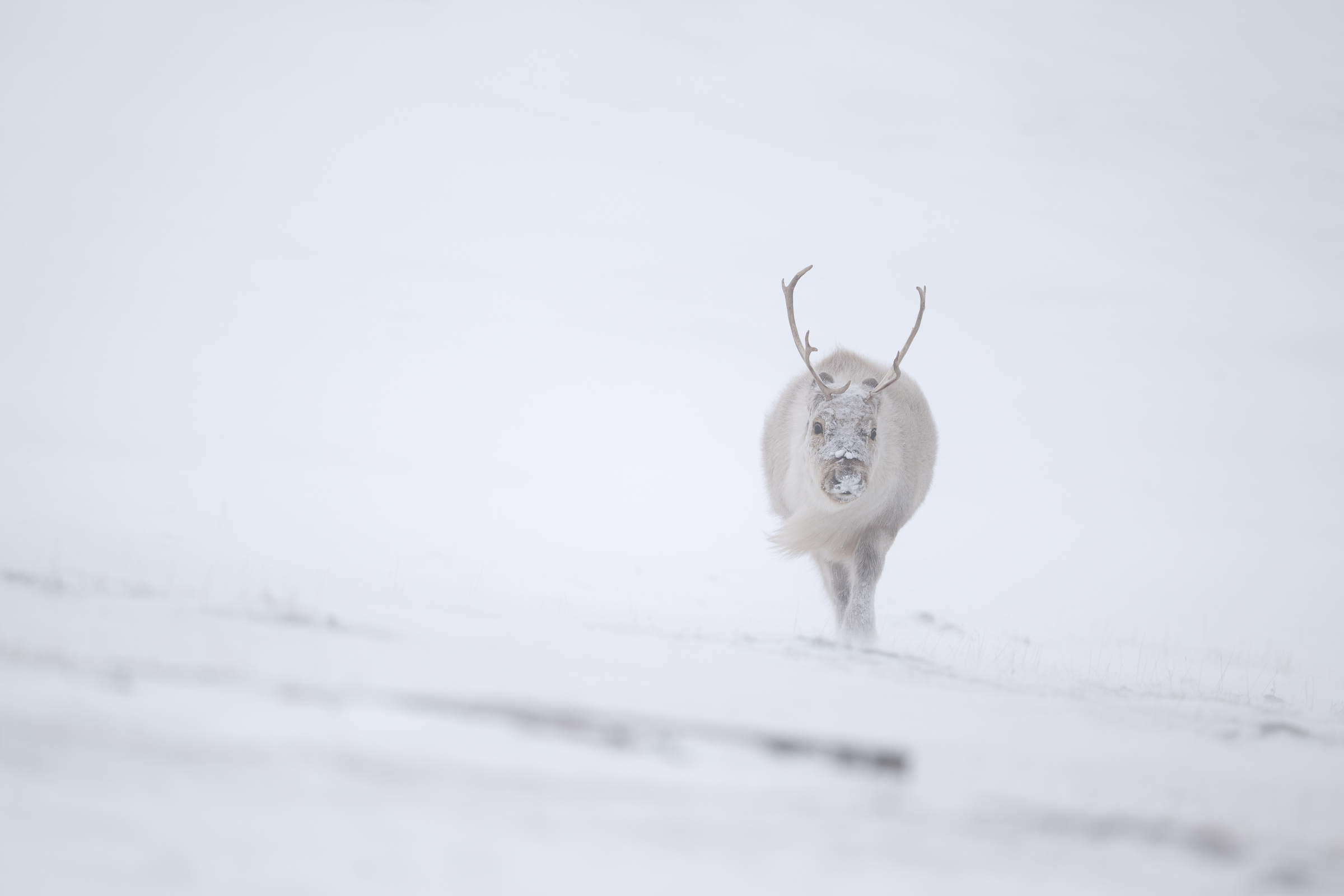
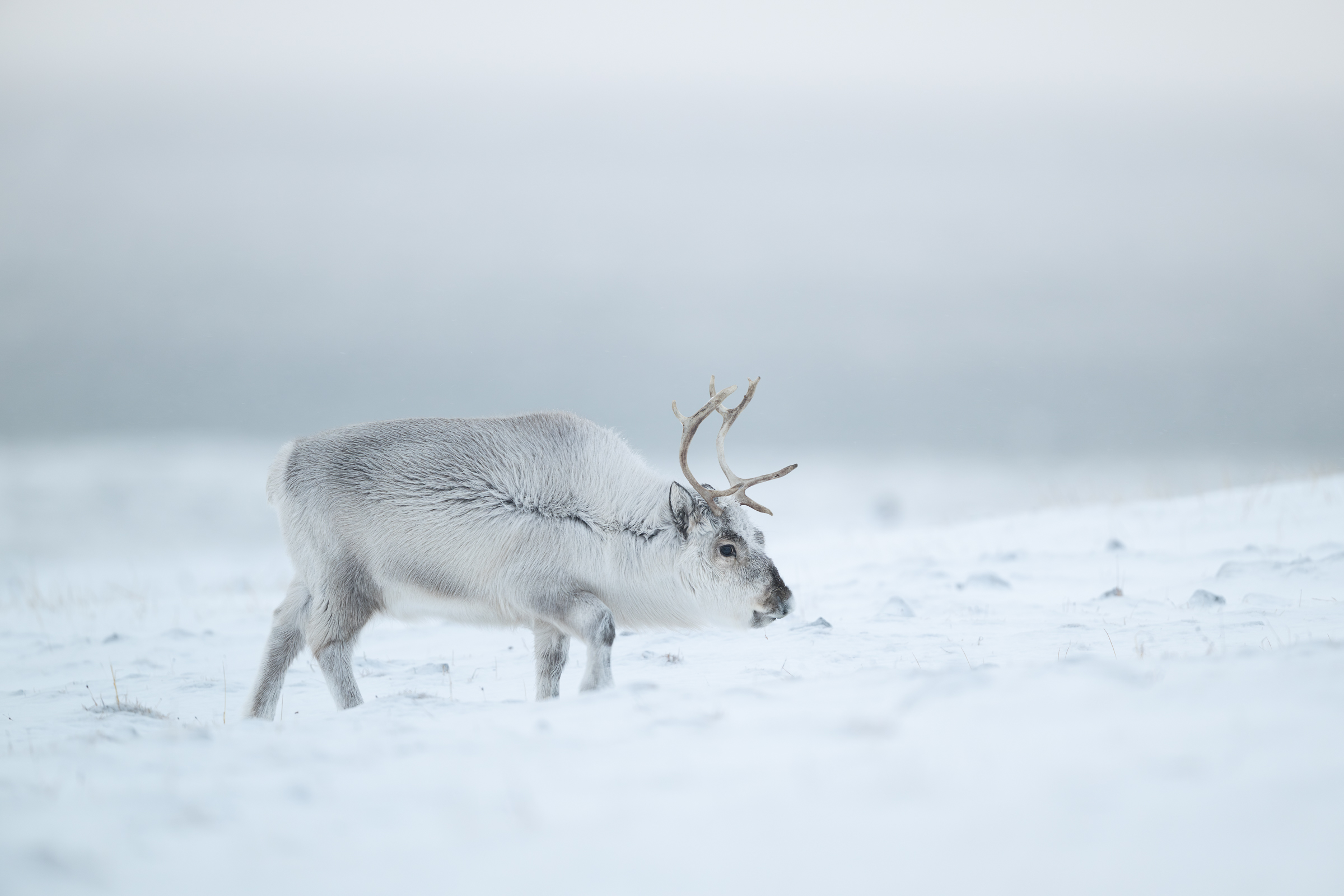
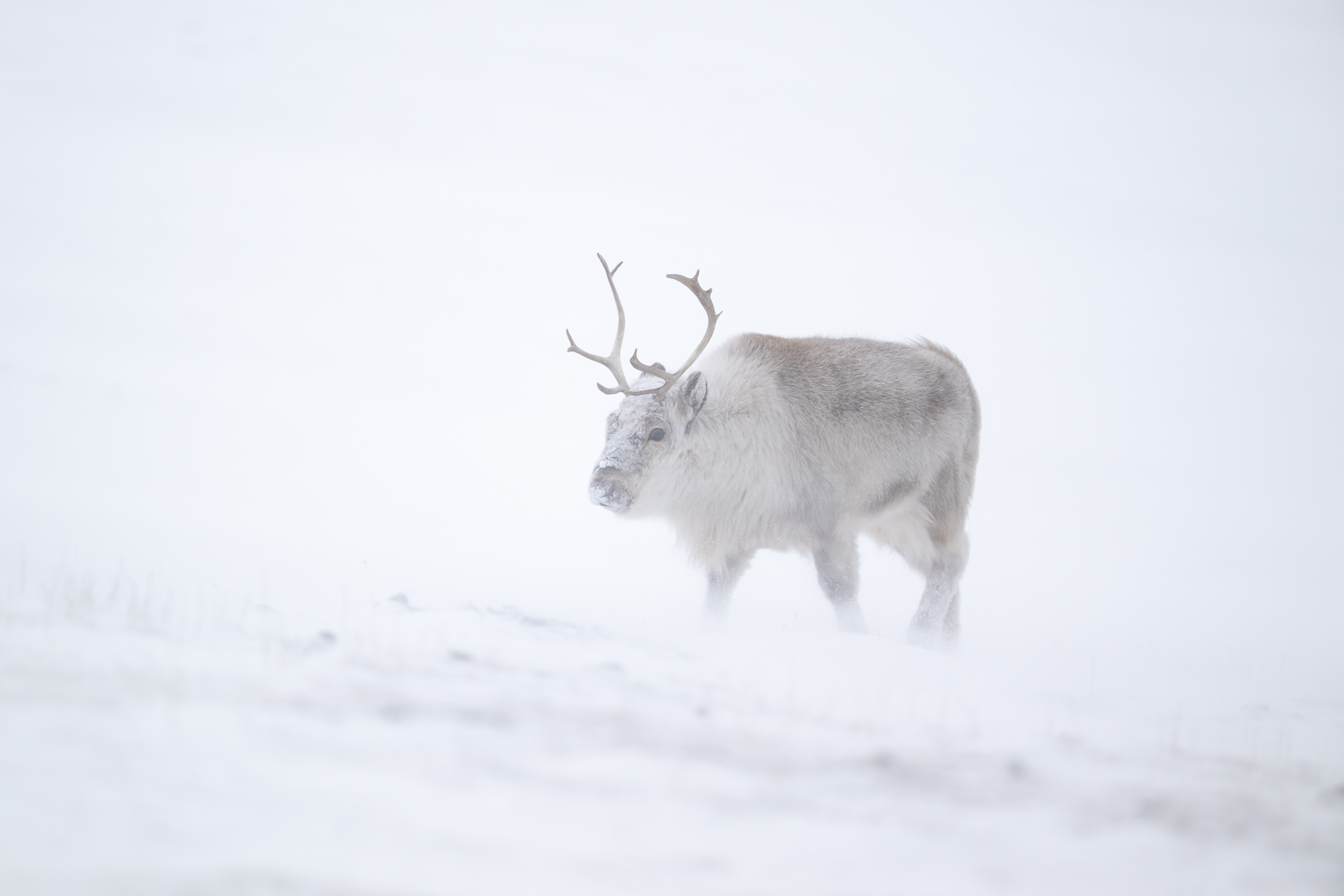
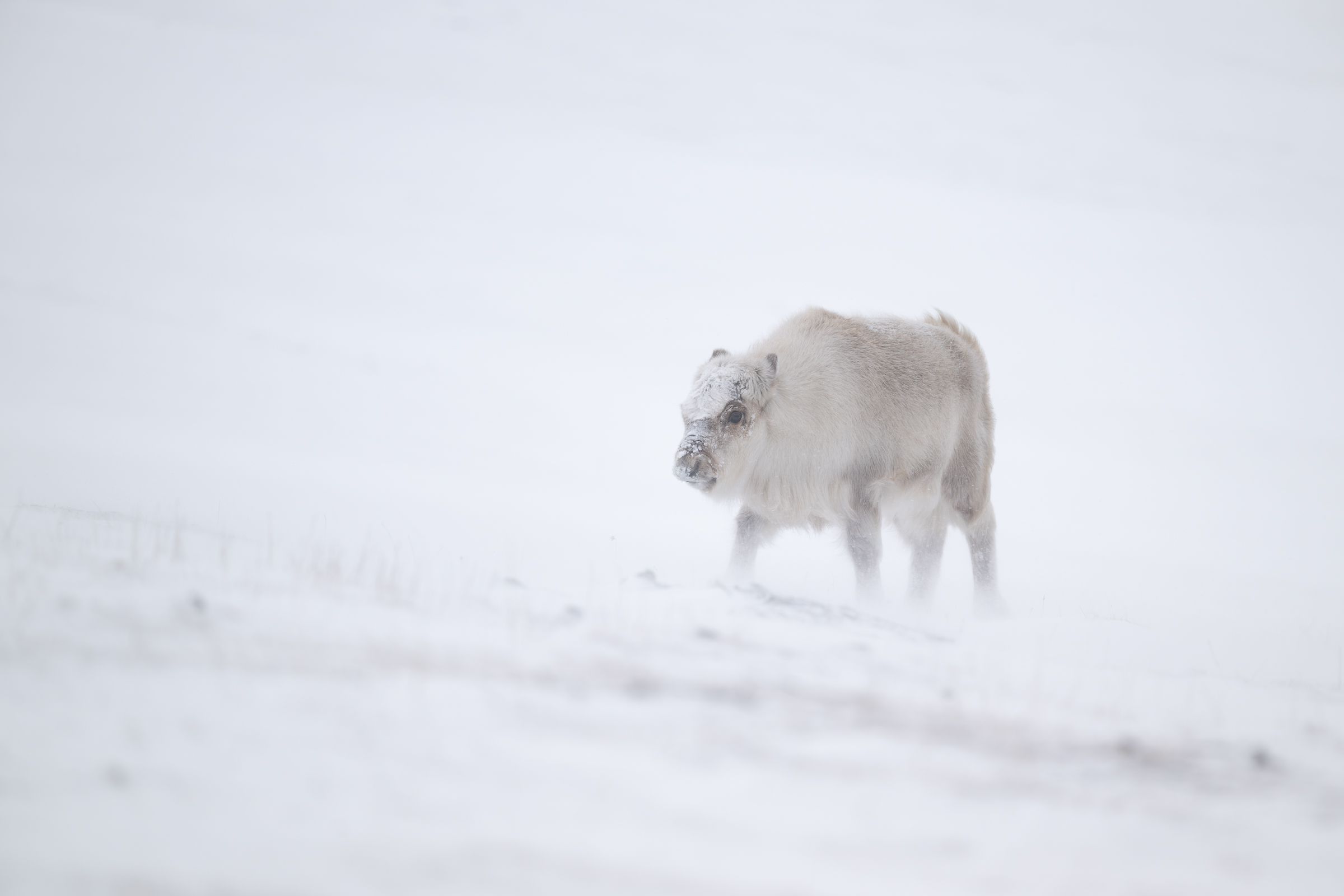
A unique subspecies and the smallest reindeer in the world, perfectly adapted to life in the High Arctic and surviving year-round in Svalbard’s harsh polar environment.
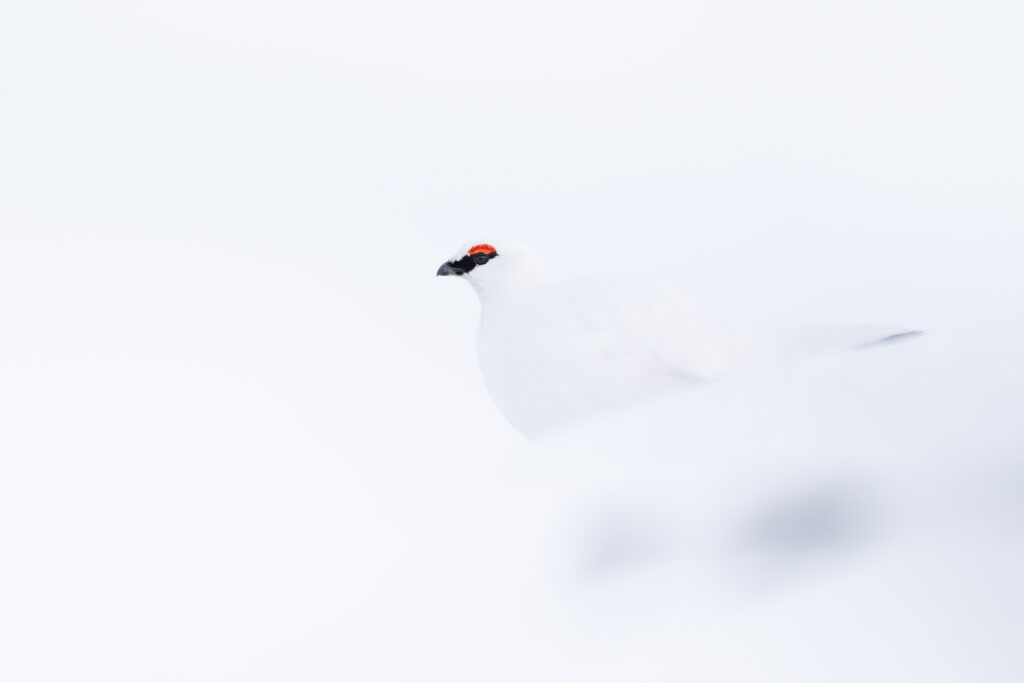
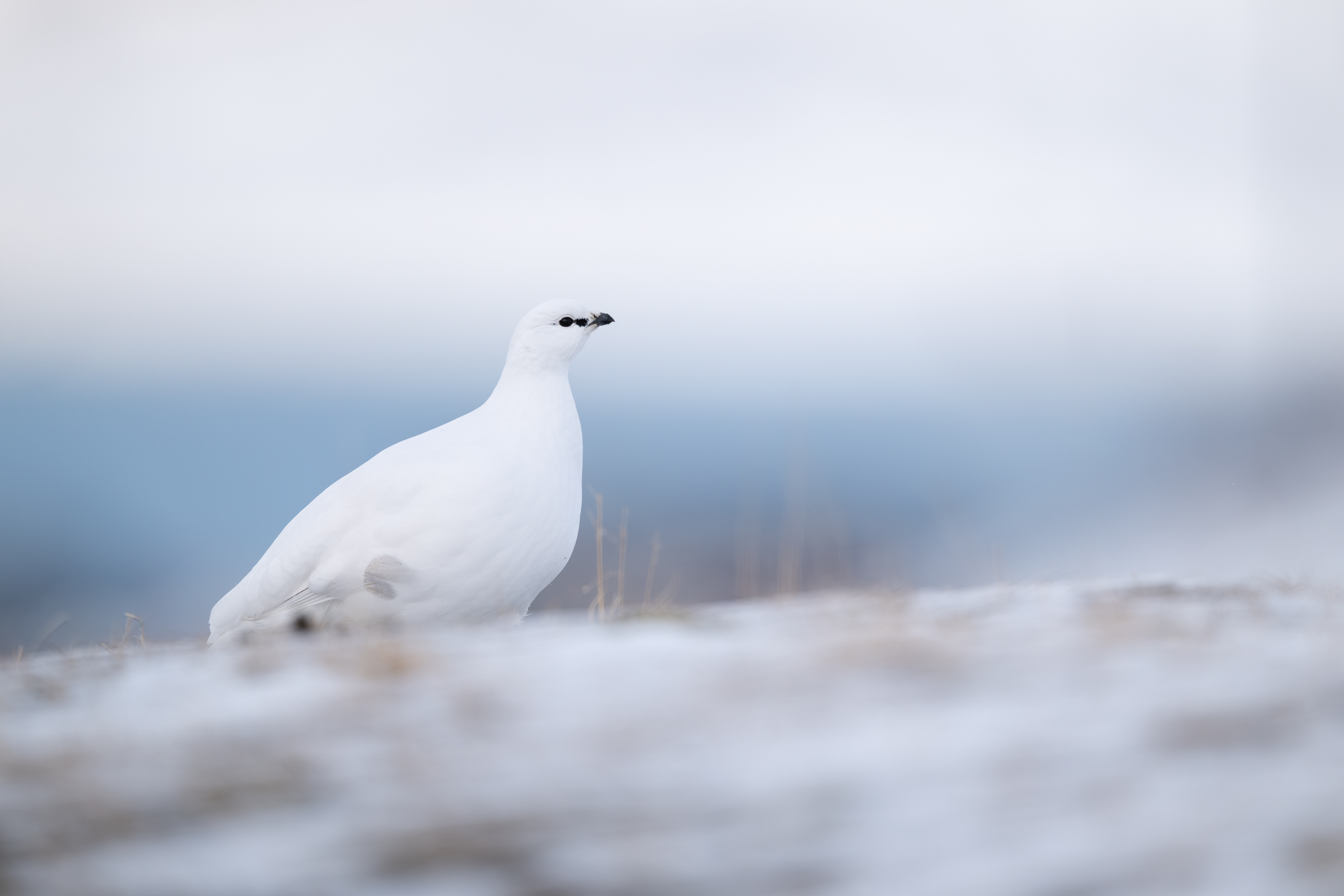
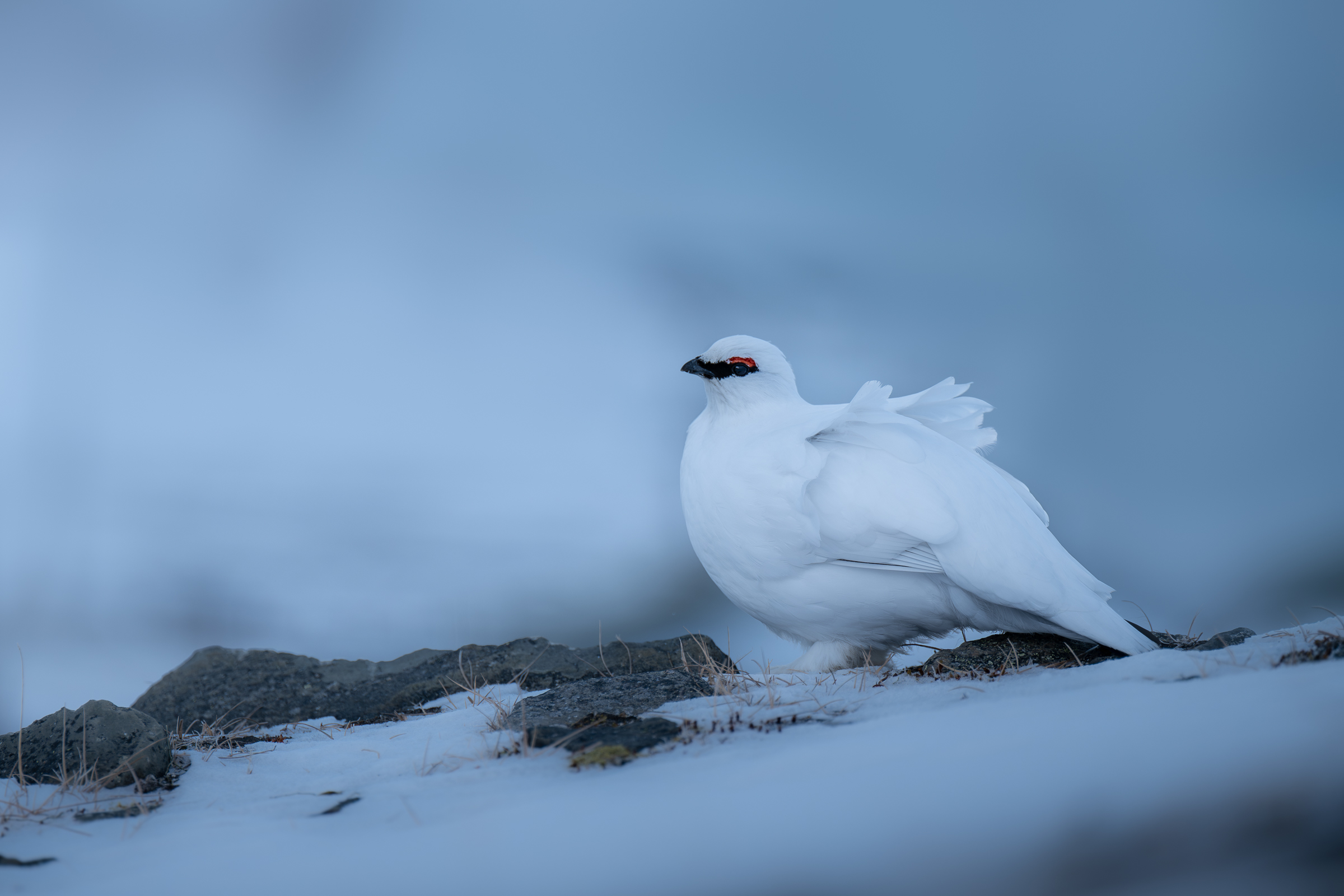
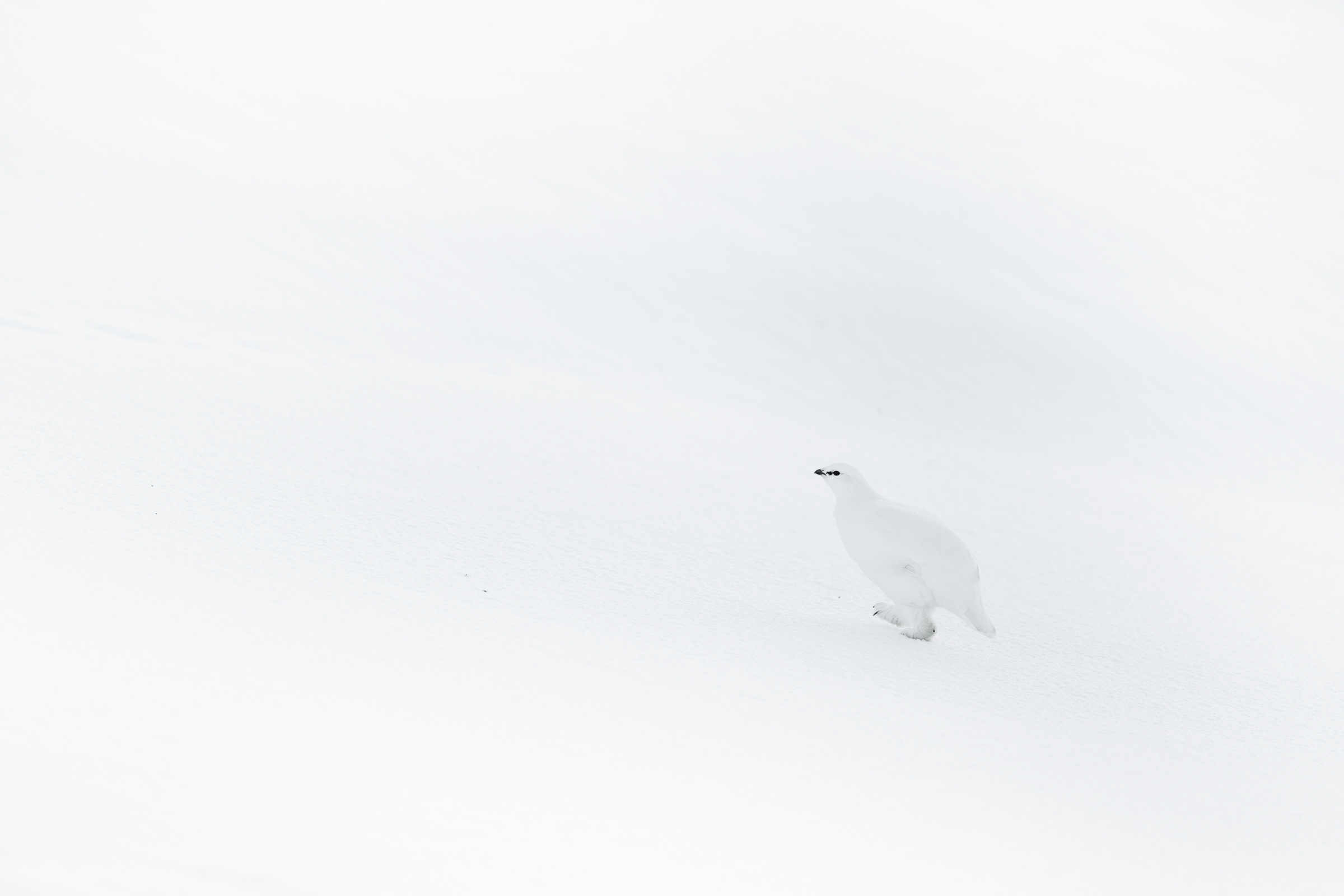
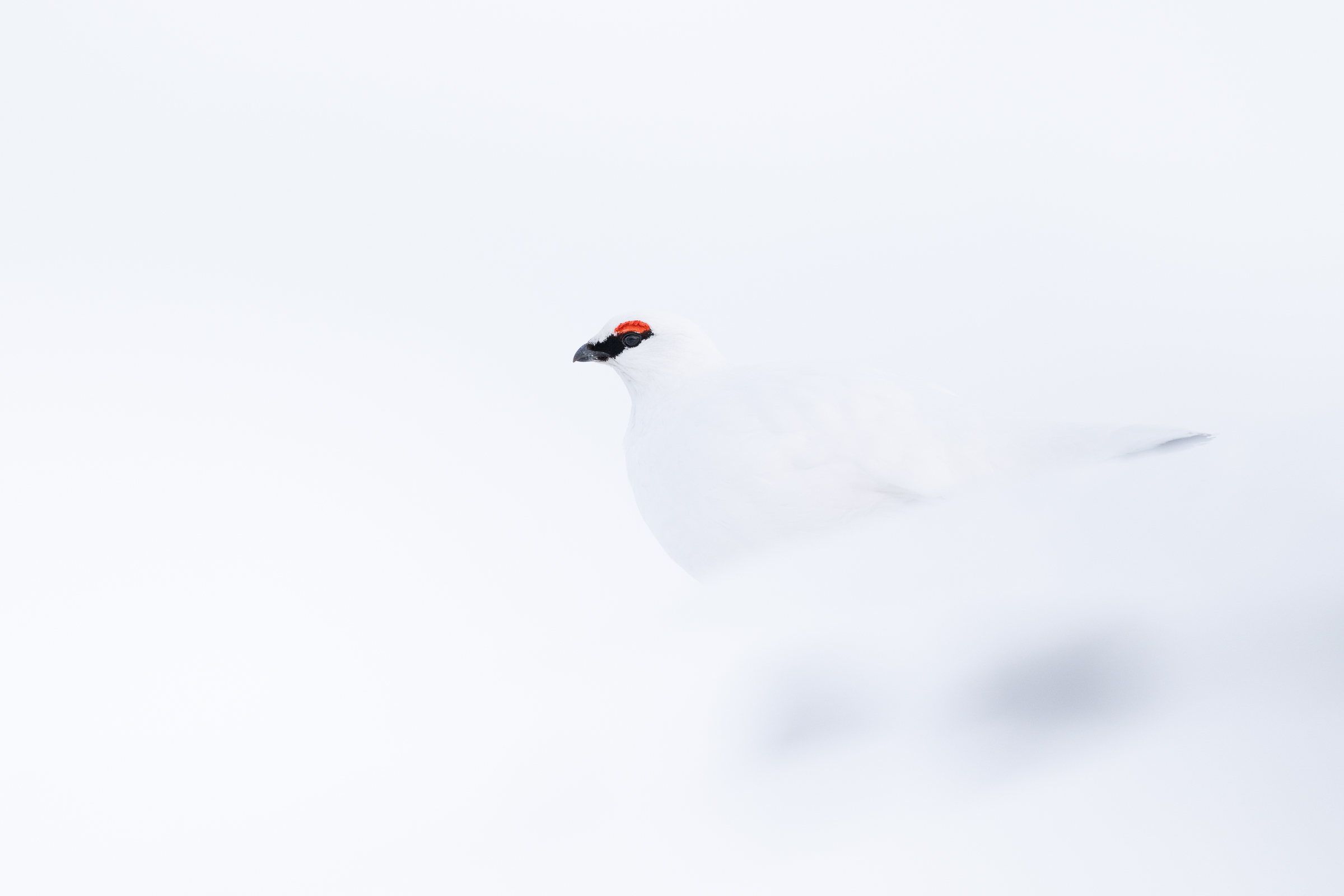
The northernmost land-based resident bird species in Svalbard, perfectly camouflaged against the winter landscape.
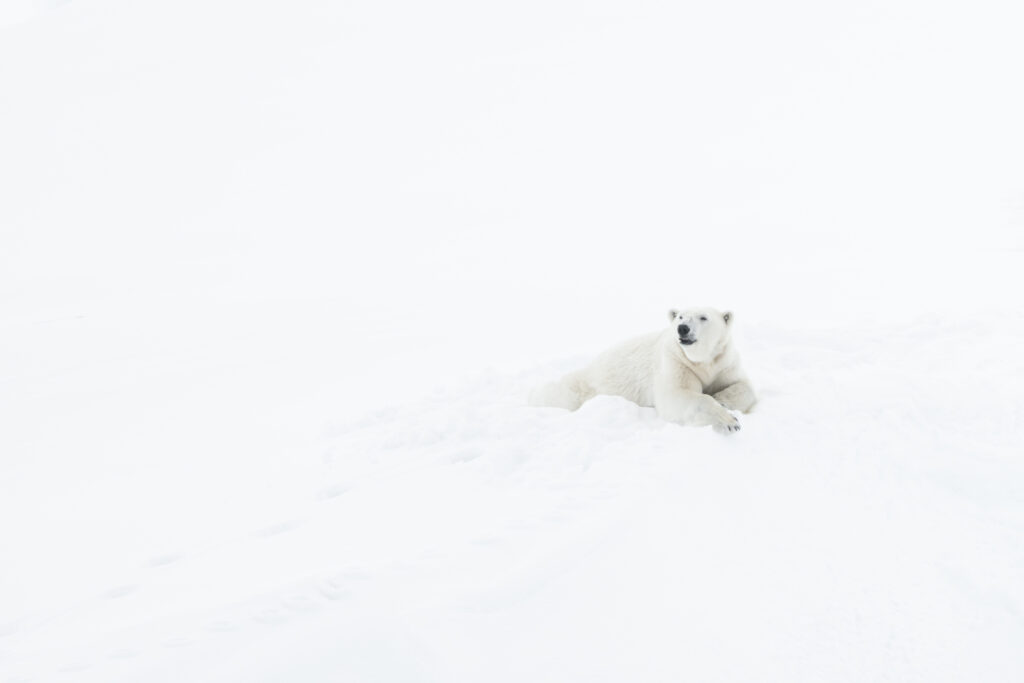
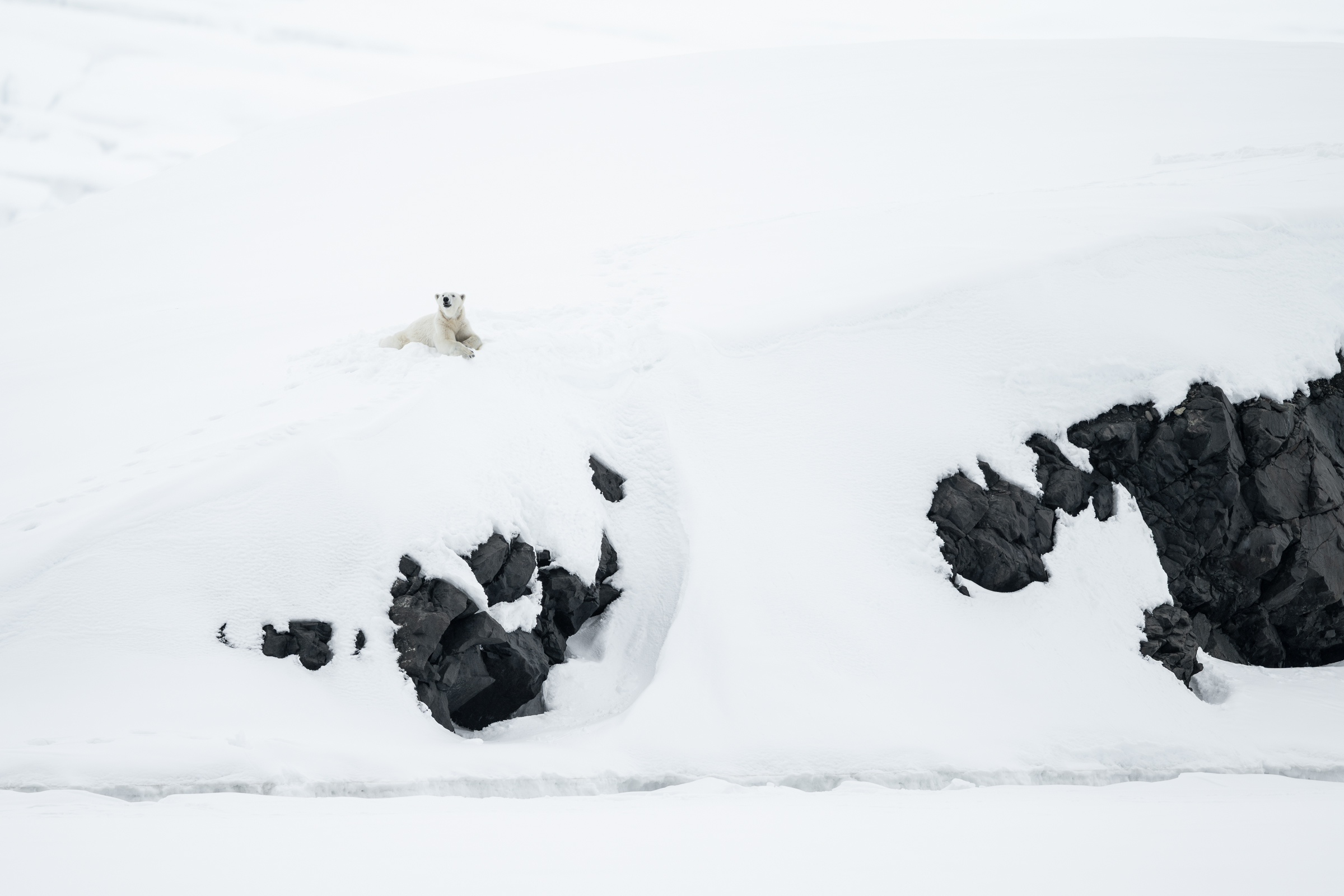
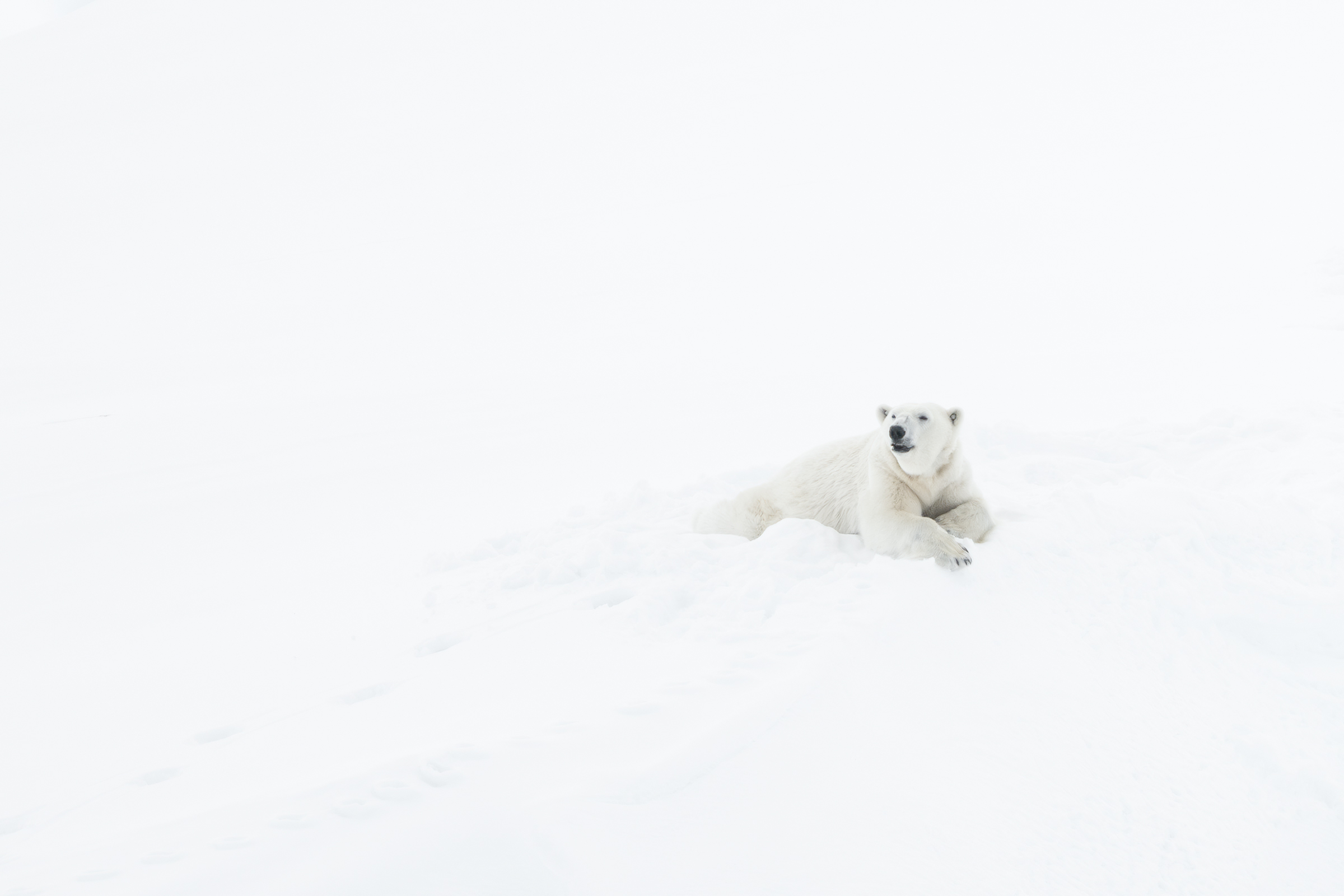
An iconic Arctic predator occasionally encountered on sea ice and coastal areas during expeditions.
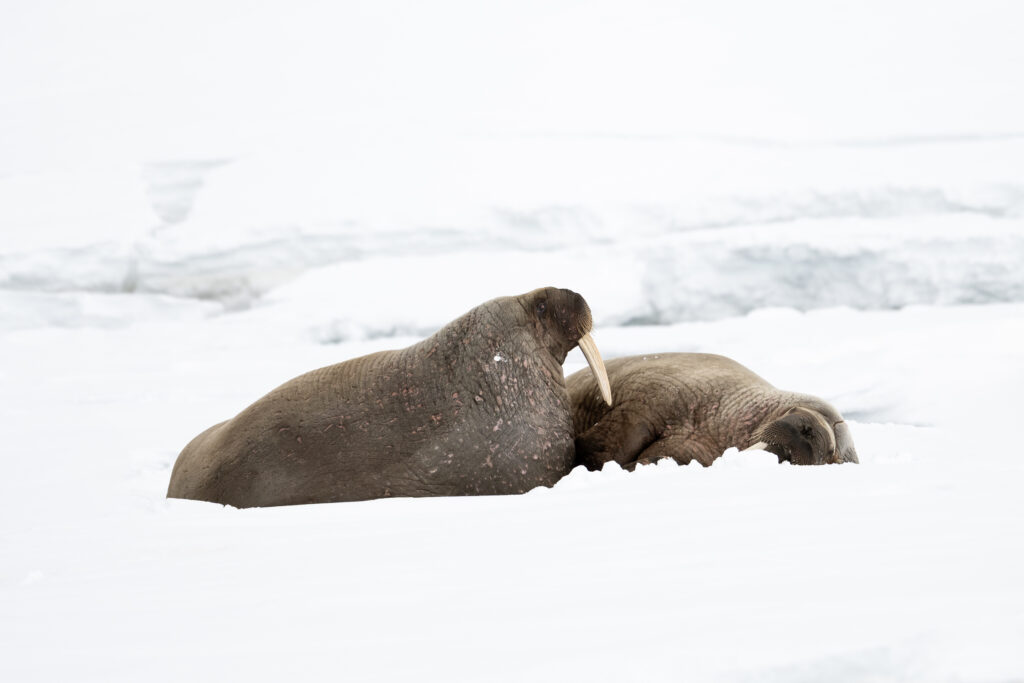
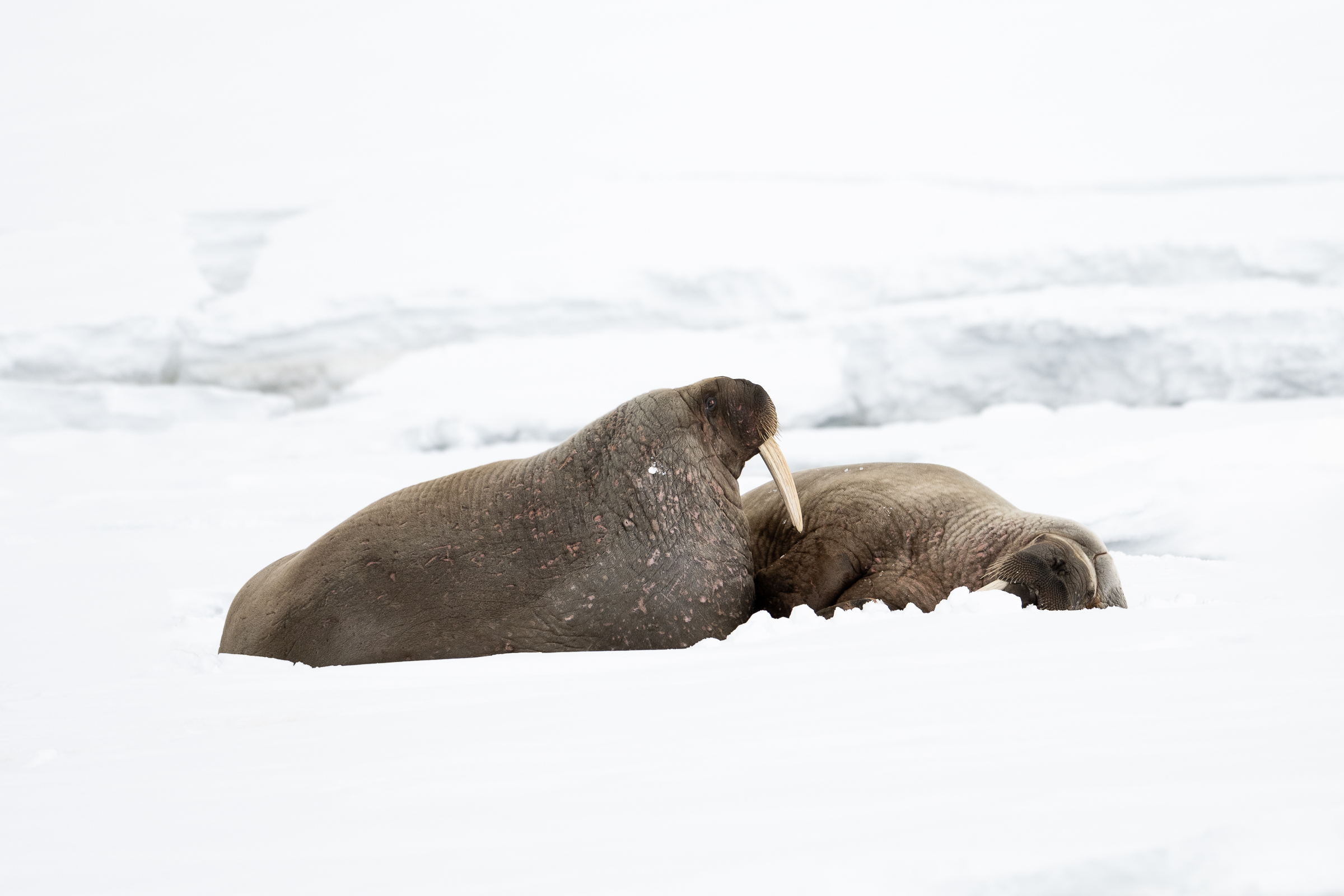
In late winter, walruses are often encountered resting alone or in small groups on drifting sea ice along the Arctic coastline.
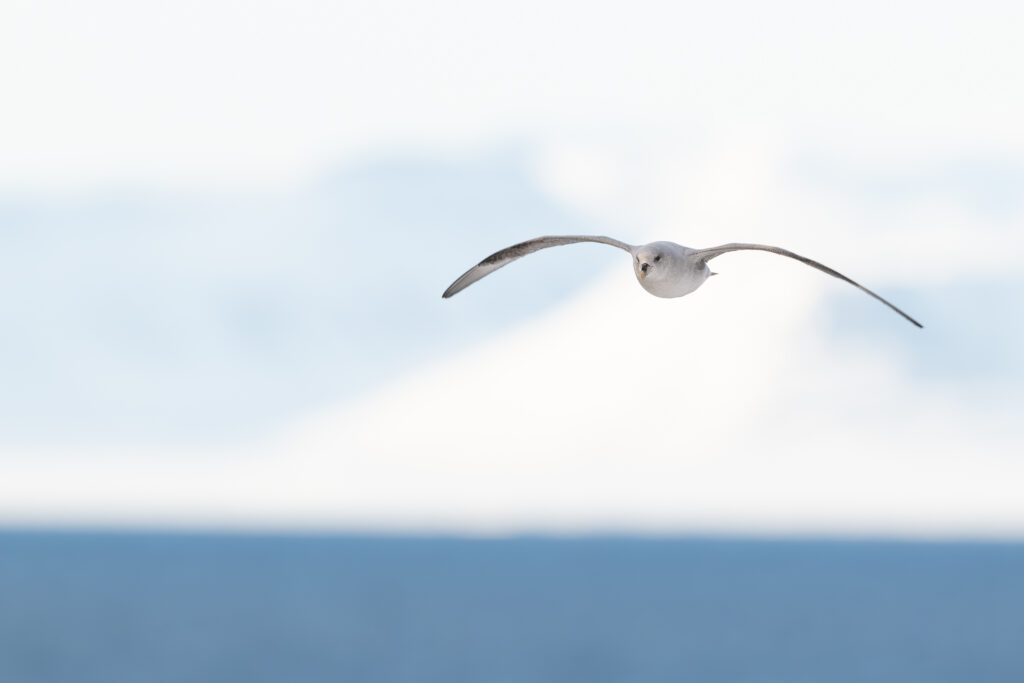
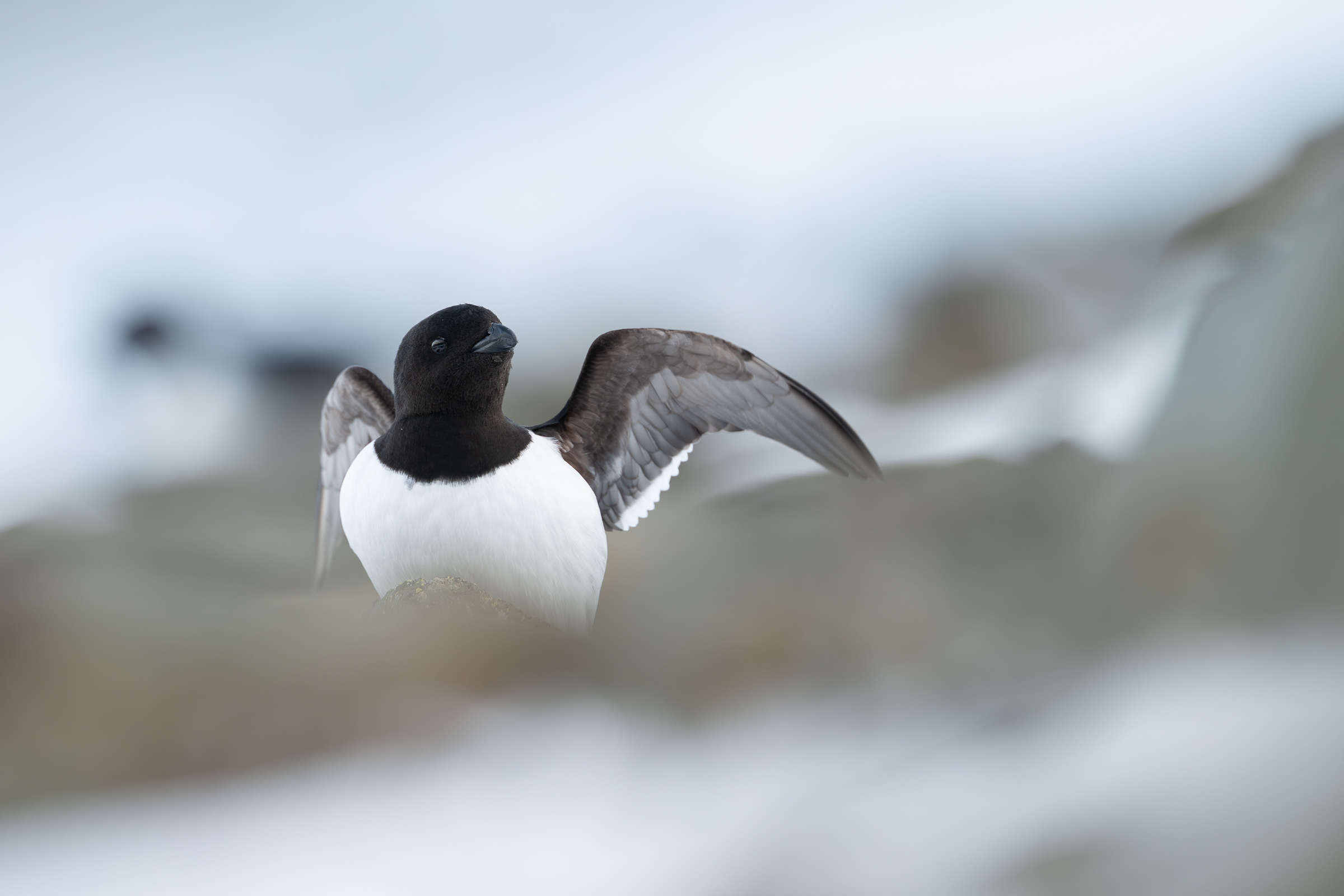
Depending on seasonal conditions, returning birdlife may include snow buntings, northern fulmars, black guillemots, kittiwakes, and other early Arctic migrants.
The Experience
This workshop is built around time in the field. Each day is shaped by light, weather, and wildlife activity, allowing us to adapt while still maintaining a strong shooting rhythm.
Small group focus
With only 4–5 participants, the experience remains flexible, personal, and fully focused on photography.
Intensive field time
We plan for 2 field sessions per day, giving a total of up to 8 sessions across the workshop, maximising time with wildlife and changing light conditions.
Snowmobile day
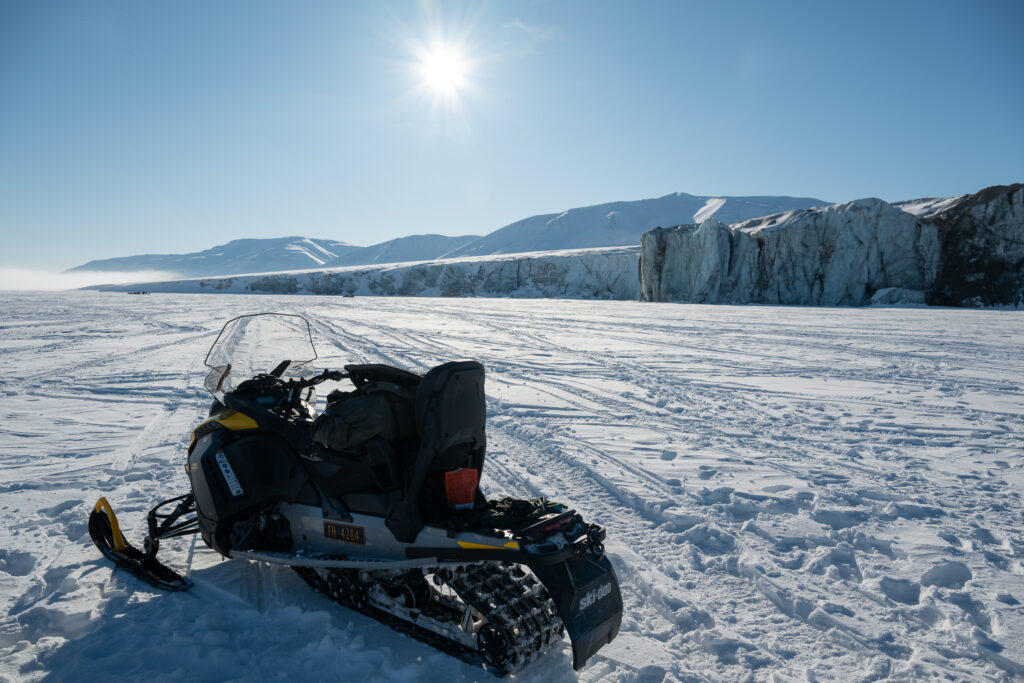
One full day is dedicated to exploring more remote areas by snowmobile, guided by an experienced local guide. This expands our range and photographic opportunities. With some luck, this may also offer the possibility of observing a polar bear from a safe distance.
Access & mobility
We move between locations by vehicle and on foot, reaching a variety of landscapes around Longyearbyen.
Guidance
Support is provided throughout the workshop, from working in the field to refining composition, light, and behaviour-based photography.
Flexible approach
While we aim for a structured shooting rhythm, each day remains adaptable. We adjust locations and timing based on weather and wildlife activity.


Outline Itinerary
day 1
21 March – Arrival
Arrival in Longyearbyen, check-in and workshop briefing. If time allows, a short introductory session in the field around the town.
day 2 & 3
22–23 March – Field sessions
Two daily sessions in the field, focusing on Arctic foxes, reindeer, ptarmigans and working with the available light and conditions.
day 4
24 March – Snowmobile day
A full day exploring more remote areas by snowmobile, expanding our range and photographic opportunities. With some luck, this may also offer the possibility of observing a polar bear from a safe distance.
day 5 & 6
25–26 March – Field sessions
Two daily photography sessions in the field.
day 7
27 March – Departure
Final morning depending on flight times, followed by departure.
The schedule remains flexible and may be adjusted to maximise photographic opportunities.


What’s included in the workshop
Included
With 5 participants, one person may have single occupancy in a twin room.
Not included
Flights to/from Longyearbyen operate daily via Oslo (OSL–LYR). Assistance with flight planning can be provided if needed.
Practical Information
Conditions & temperature
March in Svalbard is still full Arctic winter. Temperatures typically range from around −5°C to −20°C, with wind making it feel colder. Weather conditions can change quickly, with a mix of cold, clear days as well as snowfall or occasional milder conditions.
Clothing
Proper winter clothing is essential. Layered systems with insulated outerwear, warm boots, gloves, and face protection are required. A detailed packing list will be provided before the workshop.
Fitness level
This workshop requires a moderate level of comfort outdoors. Participants should be comfortable spending extended periods in cold conditions and walking short distances on uneven, snowy terrain.
One day includes an extended snowmobile excursion (up to approx. 10 hours), which requires the ability to remain outdoors for longer periods in Arctic conditions.
Photography equipment
A telephoto lens (e.g. 100–600mm or longer) is recommended for wildlife, along with a wider lens for landscapes. Tripods can be useful depending on conditions. A full gear list will be shared in advance.
Snowmobile requirements
A valid category B driving licence is required to operate a snowmobile in Svalbard. Participants must carry their licence with them during the activity.
Participants travelling together can share a snowmobile, with one person driving and the other riding as a passenger. In some cases, one participant may also ride with the guide, depending on availability.
Booking & payment
A non-refundable deposit of 25% (€800) is required to confirm your booking. The remaining balance is due 60 days prior to the workshop. Full details can be found in our Terms & Conditions.
Flexibility
All activities are weather and wildlife dependent. The schedule may be adjusted to maximise photographic opportunities.
aout the tour leader
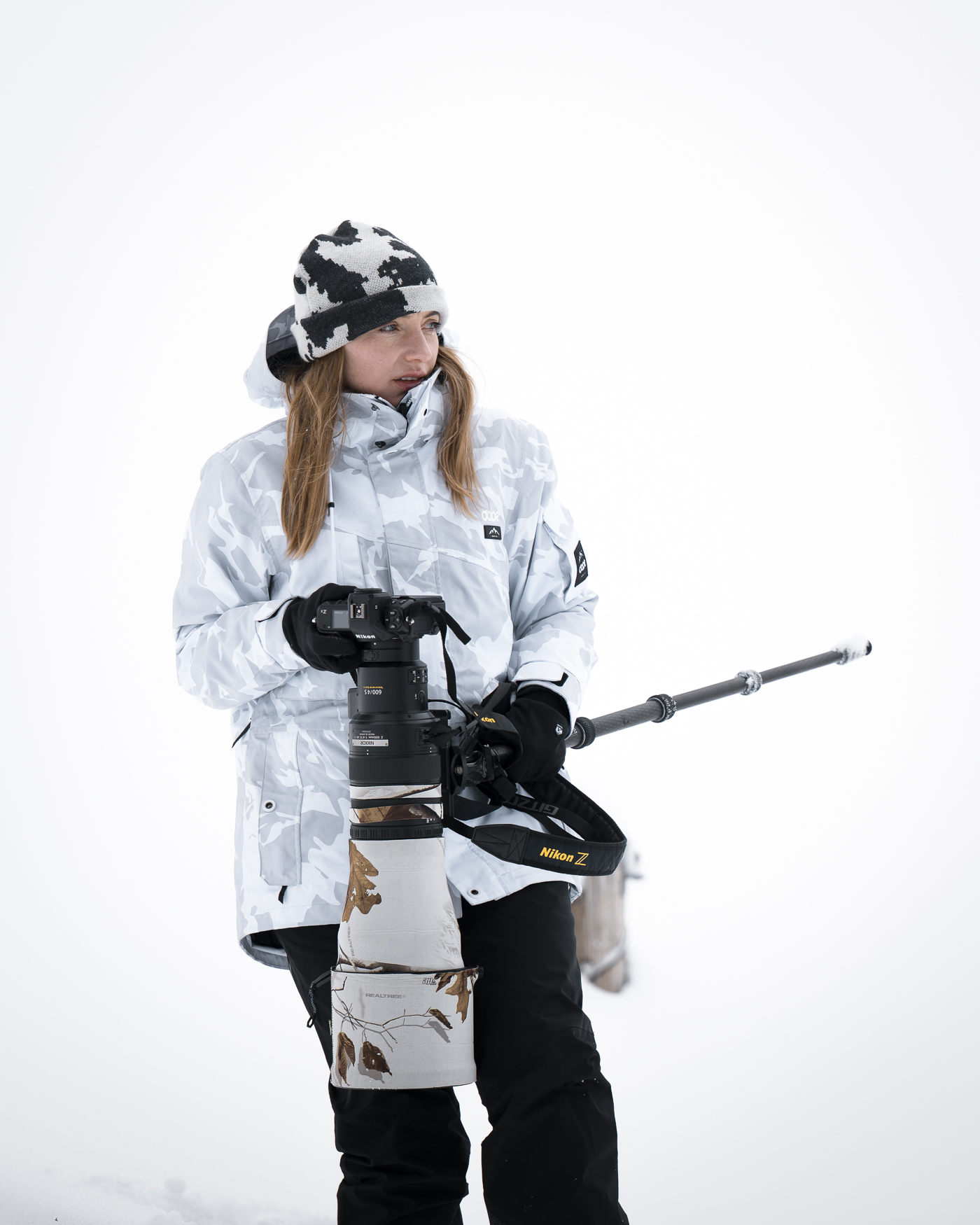
Magda Swiecka is a wildlife photographer and filmmaker focused on Arctic environments. Her work centres on natural behaviour, light, and creating authentic images in the field.
As a member of the Polar Tourism Guides Association, with field experience in Svalbard and polar bear safety training, she ensures a professional and responsible approach to guiding in Arctic conditions.
This workshop is built around the same approach, with small groups, flexibility, and a strong focus on time in the field.
We use cookies to improve your experience, analyze traffic, and support embedded content like videos. You can accept all cookies or manage your preferences at any time.